History first – my test and verdict below: The story behind the Mimosa
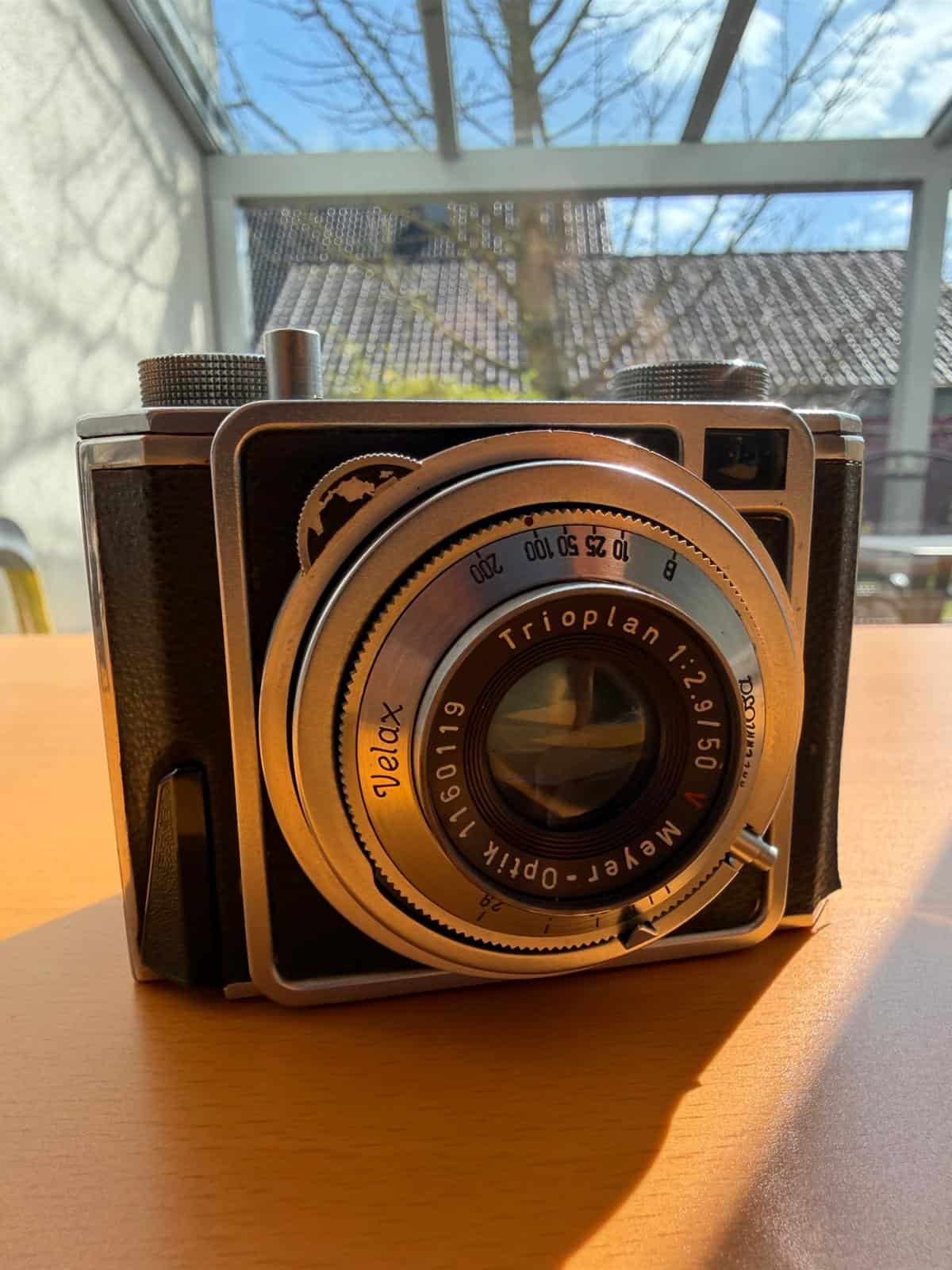
The Mimosa appeared in spring 1948, three years after the end of the war. Dresden lay in ruins, and the city’s camera industry had been largely destroyed or dismantled. Into this unlikely moment, the Mimosa AG — a well-known manufacturer of photographic papers and films, not cameras — launched a completely new 35mm camera.
How was this possible? The Mimosa factory had come through the war largely intact, while the established Dresden camera makers had not. Their skilled workers were now looking for employment, and Mimosa took them on, quickly setting up a precision mechanics department. That is the only plausible explanation for how a photographic paper factory managed to design and build an entirely new camera in such a short time.
The story becomes stranger still. There is strong evidence that Zeiss Ikon — whose own Dresden works lay in ruins, and whose legal situation was deeply uncertain — was producing in the Mimosa factory and deliberately avoided putting the new camera out under its own contested name. Tellingly, the relocation of Zeiss Ikon’s registered seat from Dresden to Stuttgart happened in the very same week the Mimosa was first shown at the Leipzig Spring Fair. By mid-1951 at the latest, VEB Zeiss Ikon had officially taken over responsibility for the camera, though production continued at the Mimosa works.
At the centre of it all was Stephan Ritter von Dobrzynski, the director of Mimosa AG. He had led the factory’s difficult post-war reconstruction — and when conventional raw materials were unavailable, he did the pragmatic thing: he had manufactured whatever there was actually material for. Cameras. Around 1950 he fell victim to an aggressive SED campaign against alleged economic saboteurs and fled to West Germany. The camera programme was subsequently declared a „misguided development“ — a politically motivated verdict that coloured the Mimosa’s reputation for decades.
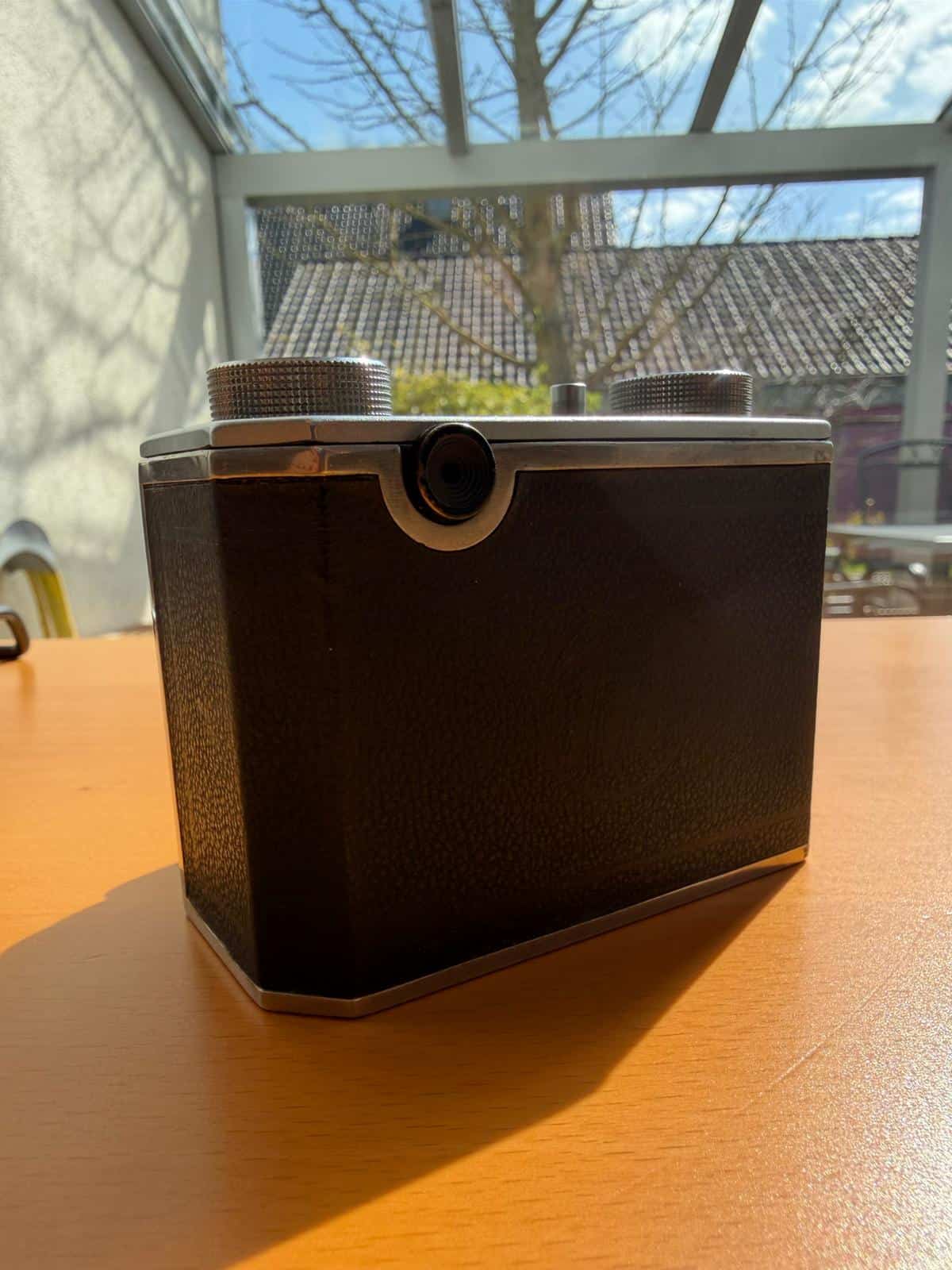
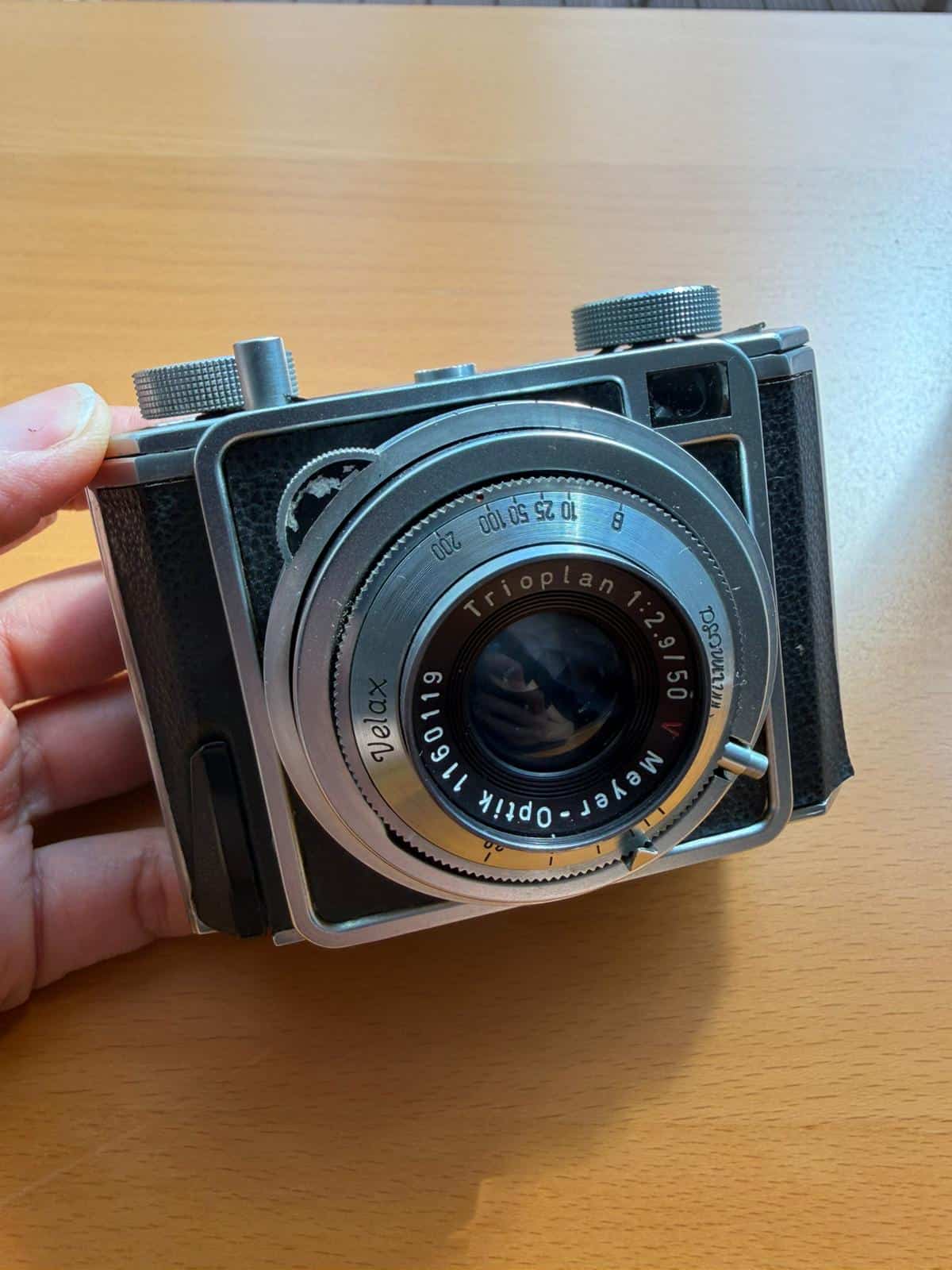
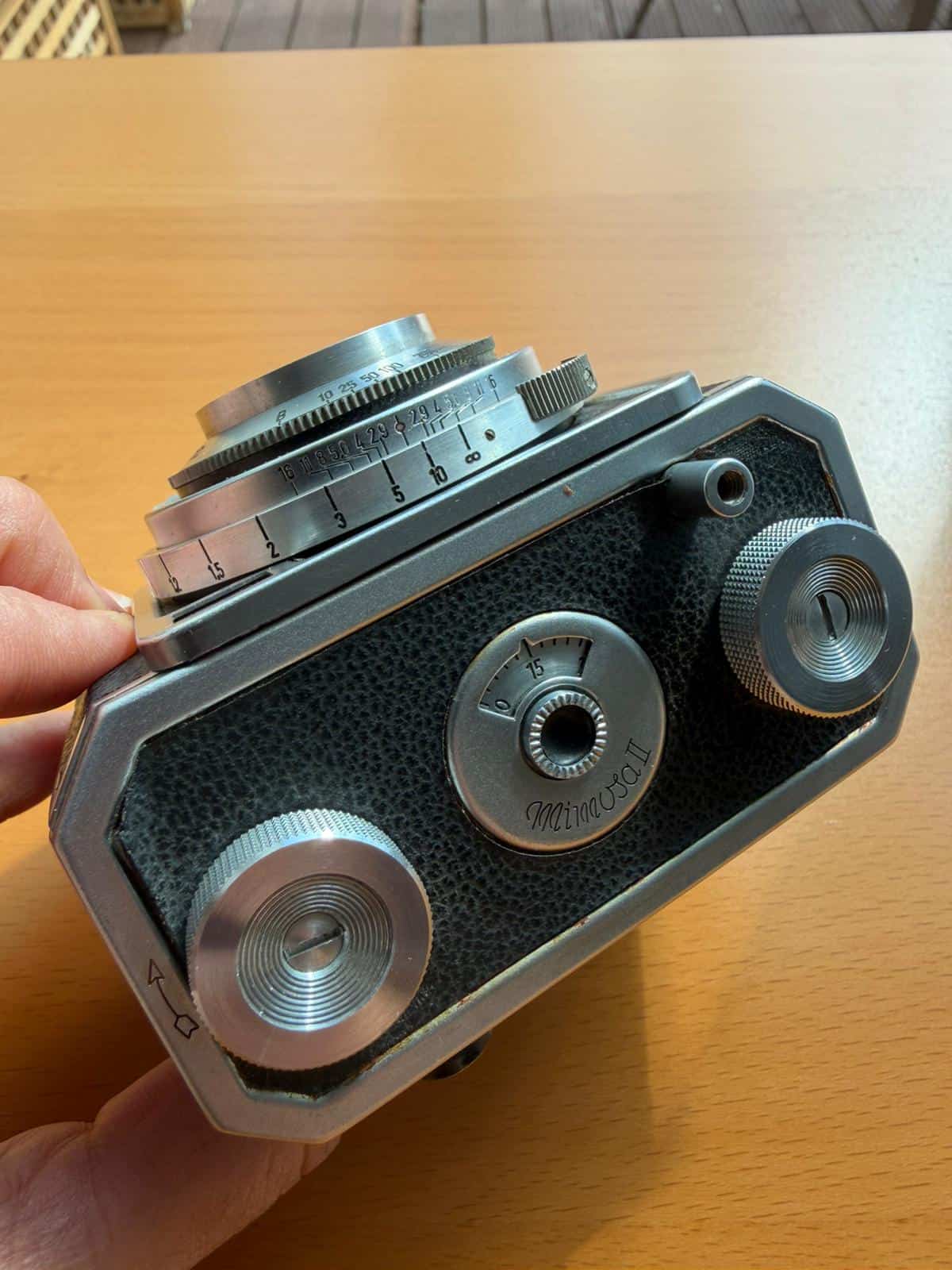
As for the camera itself: its most obvious feature is its considerable depth, which earned it the nickname das Brikett — the briquette. This was a direct consequence of placing the central shutter between the lens elements in the traditional manner, rather than behind the lens as later, slimmer designs would do. The Mimosa’s own Velax shutter was an automatic type: pressing the shutter release tensioned a small spring and released it in a single, uninterrupted motion — no separate cocking lever required. A neat solution, though it came with a fundamental limitation: the shutter could not be coupled to the film advance, which meant the camera had little room to evolve. Roughly 21,000 examples were made before production ended around 1952, most likely to make way for the more modern Taxona, built in the same factory. The Mimosa name itself disappeared in 1959, killed off by trademark disputes with West German firms.
For a much more detailed account — including period documents, photographs of surviving examples, and a thorough technical breakdown — the research at zeissikonveb.de is highly recommended. → [Click here for more information]
My first day with the Mimosa
Today, the little Mimosa had its first day out in nature with me – and without being overly sensitive (mimosa-like, if you will).
Loading the film is very thoughtfully designed: little flaps and locks everywhere, and a solid metal plate presses the film firmly and securely onto its correct plane. Nothing wobbles.
The downside? Advancing the film is extremely stiff. After just 15 shots, my fingertips were already sore. It’s not really a pocket camera either – too bulky and heavy for a trouser pocket.
But: it’s pretty, and as we know, it has a fascinating history. Even my friend Monika, who isn’t exactly a camera expert or passionate photographer, found it exciting to learn what this little Mimosa has been through.
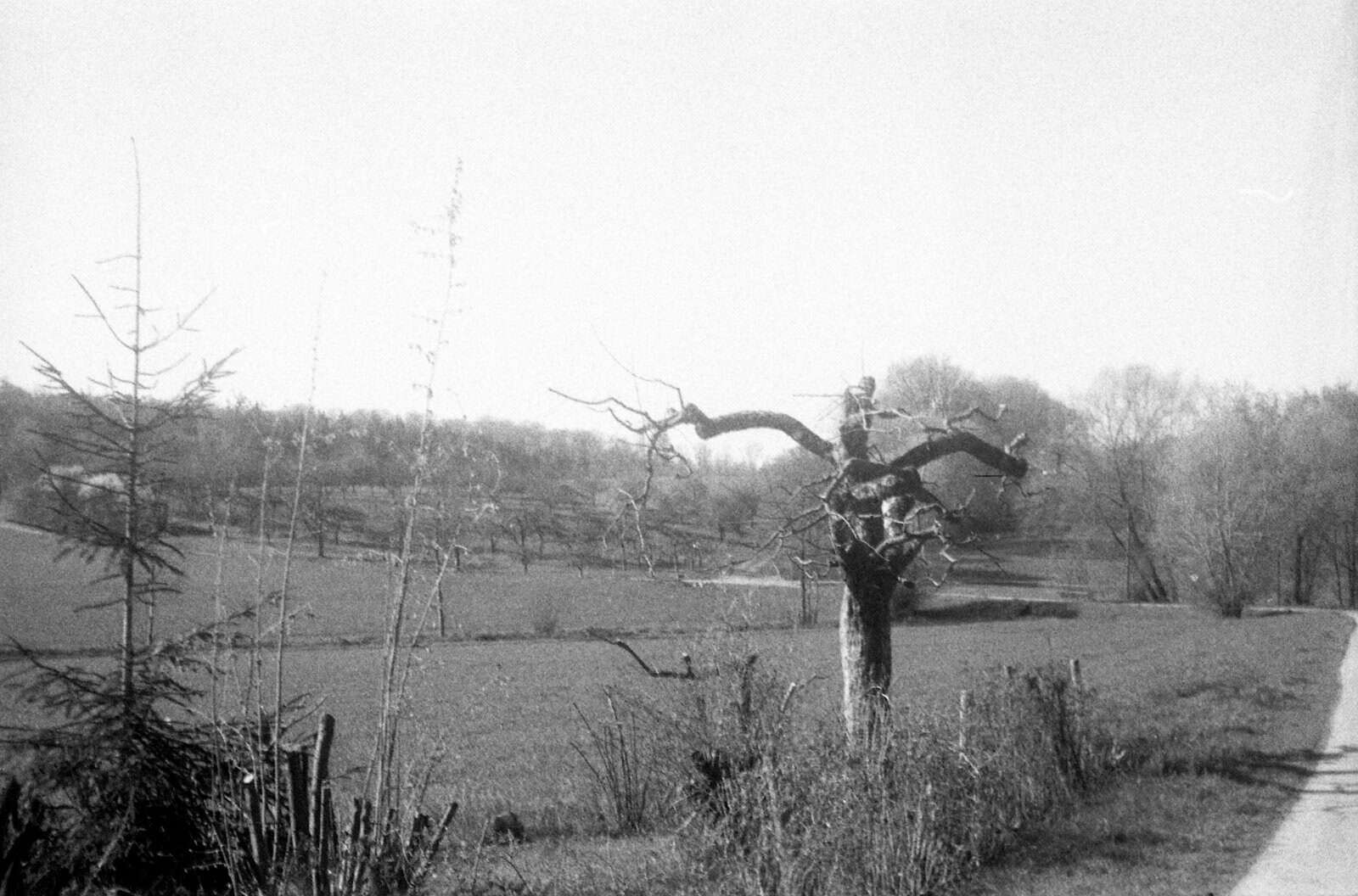
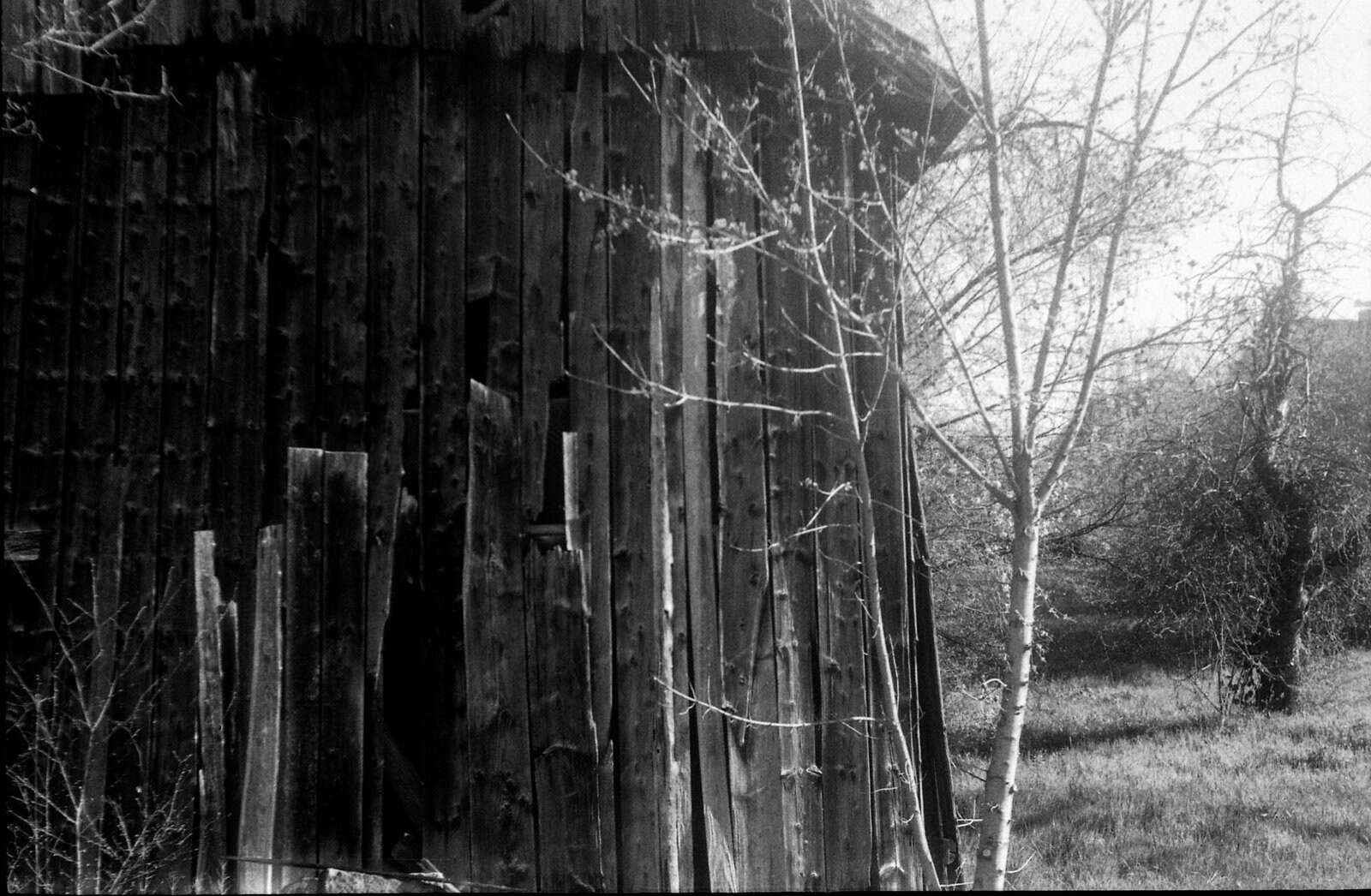
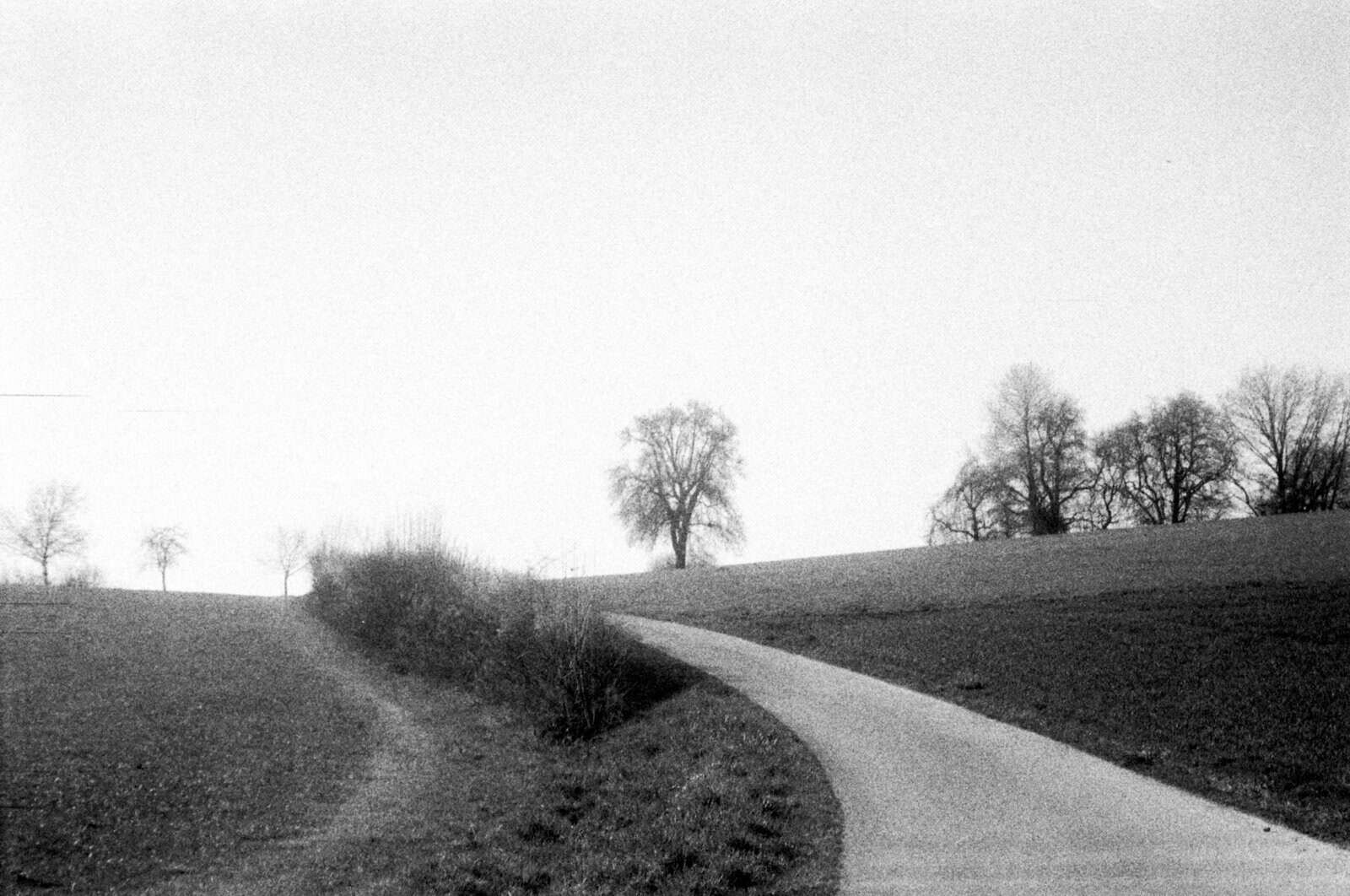
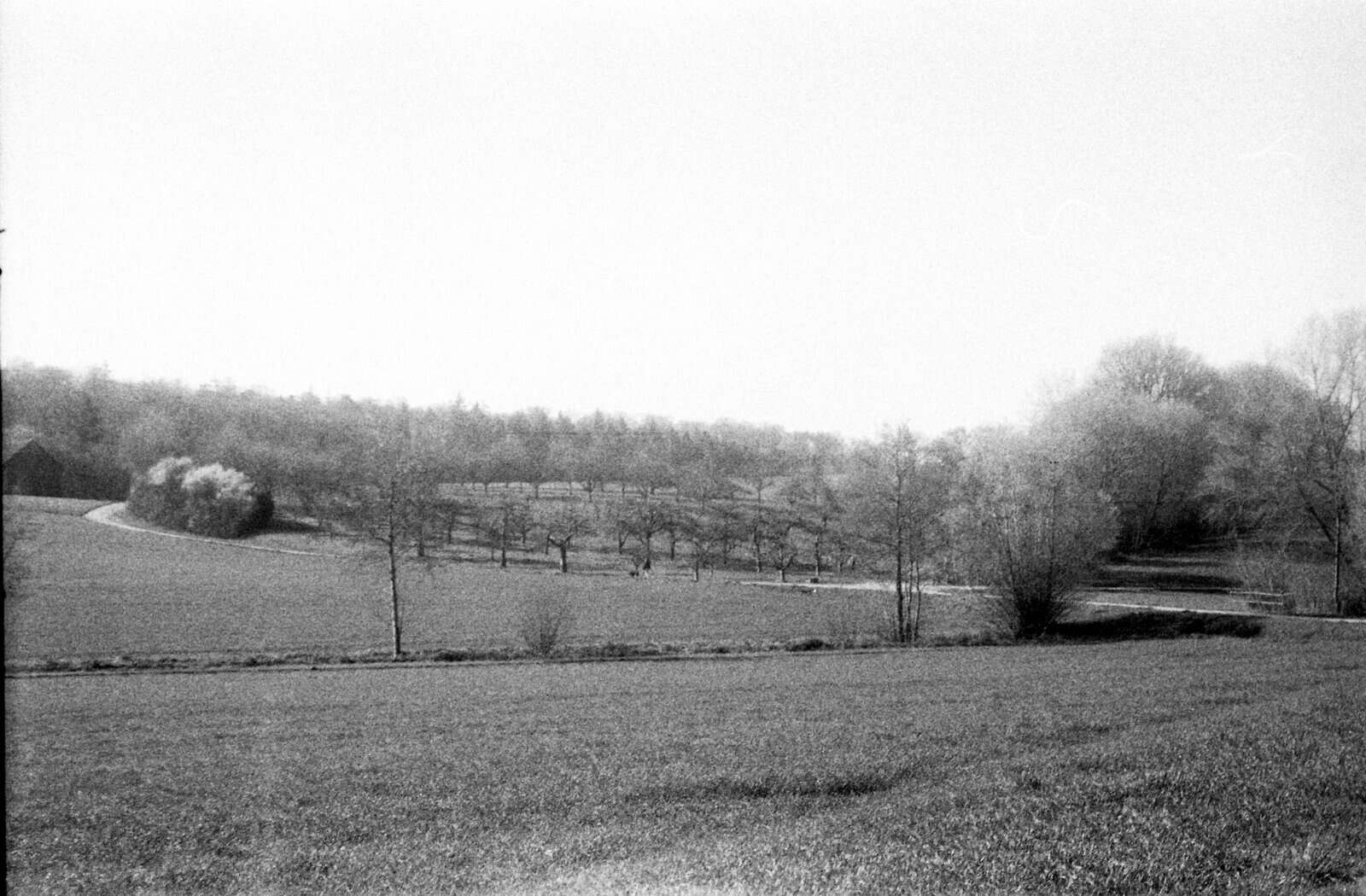
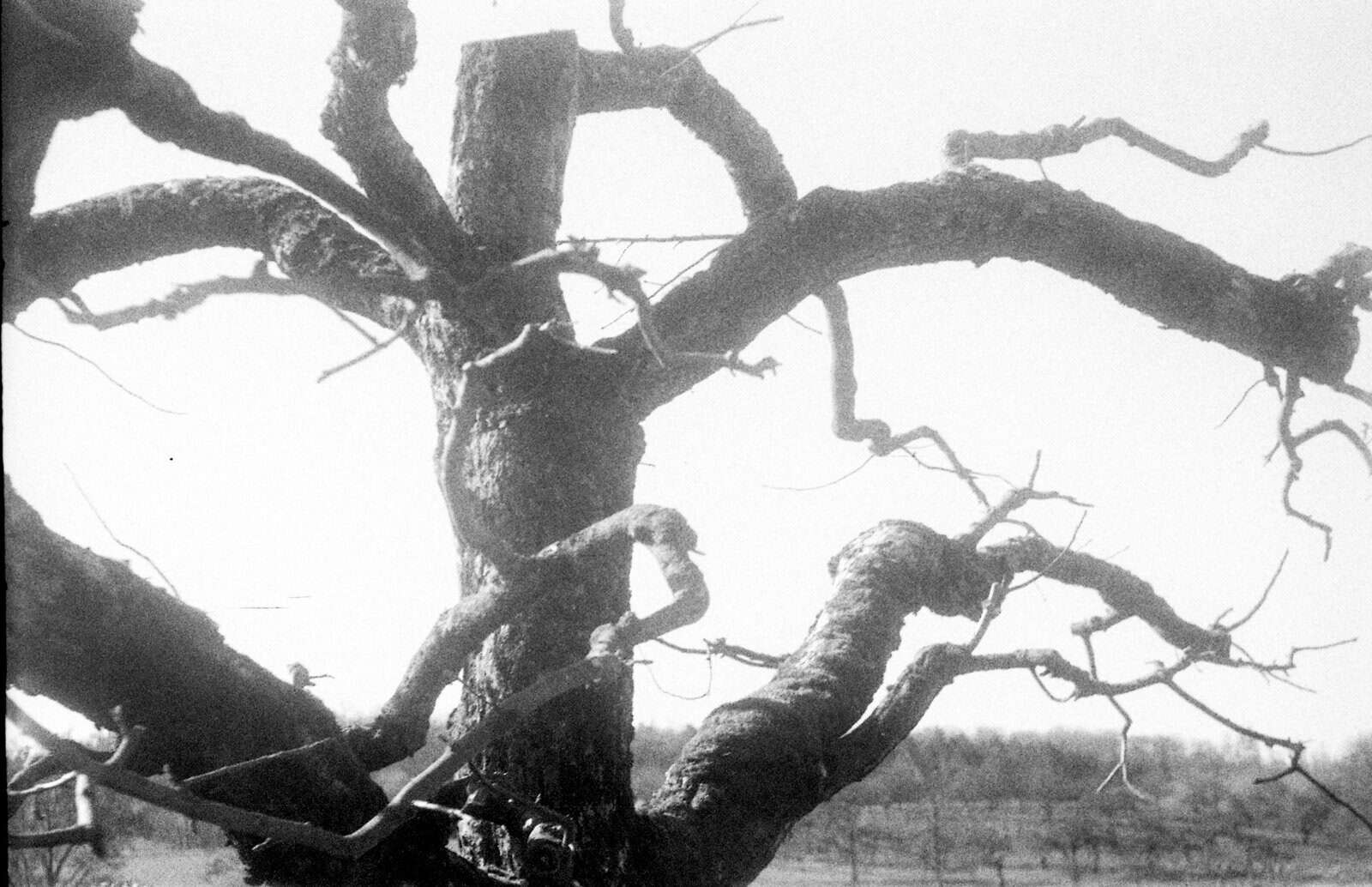
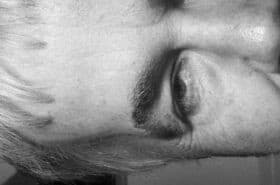
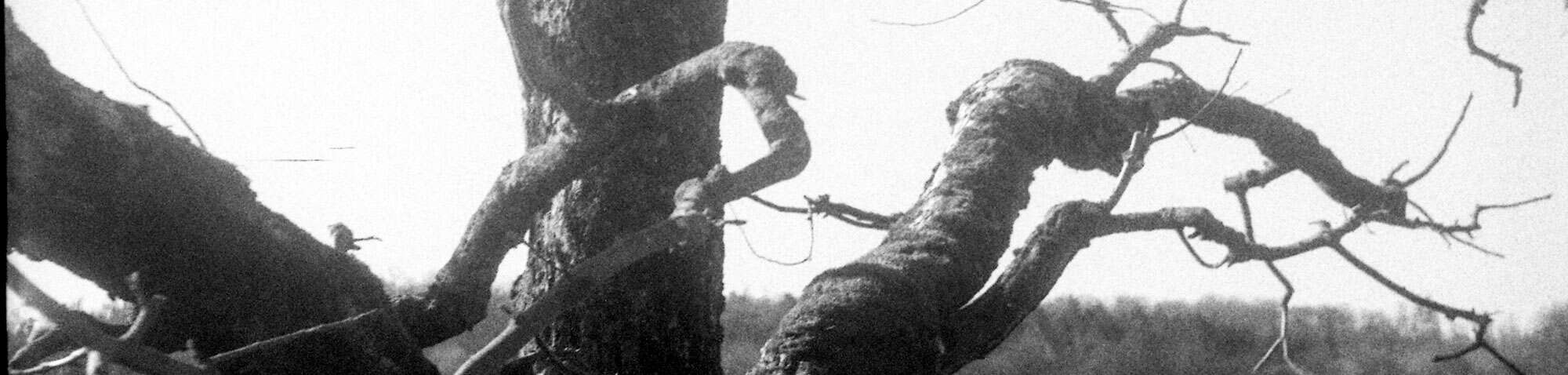
As for the results? I’d say: okay-ish. ISO 100 film, 35mm, f/8, sunshine – you could expect sharper images, really. Doesn’t blow me away, unfortunately. Because she is cute, the little one.
Final verdict: One for the display cabinet. Just because of its story, it’s a lovely find. An everyday camera? Probably not.