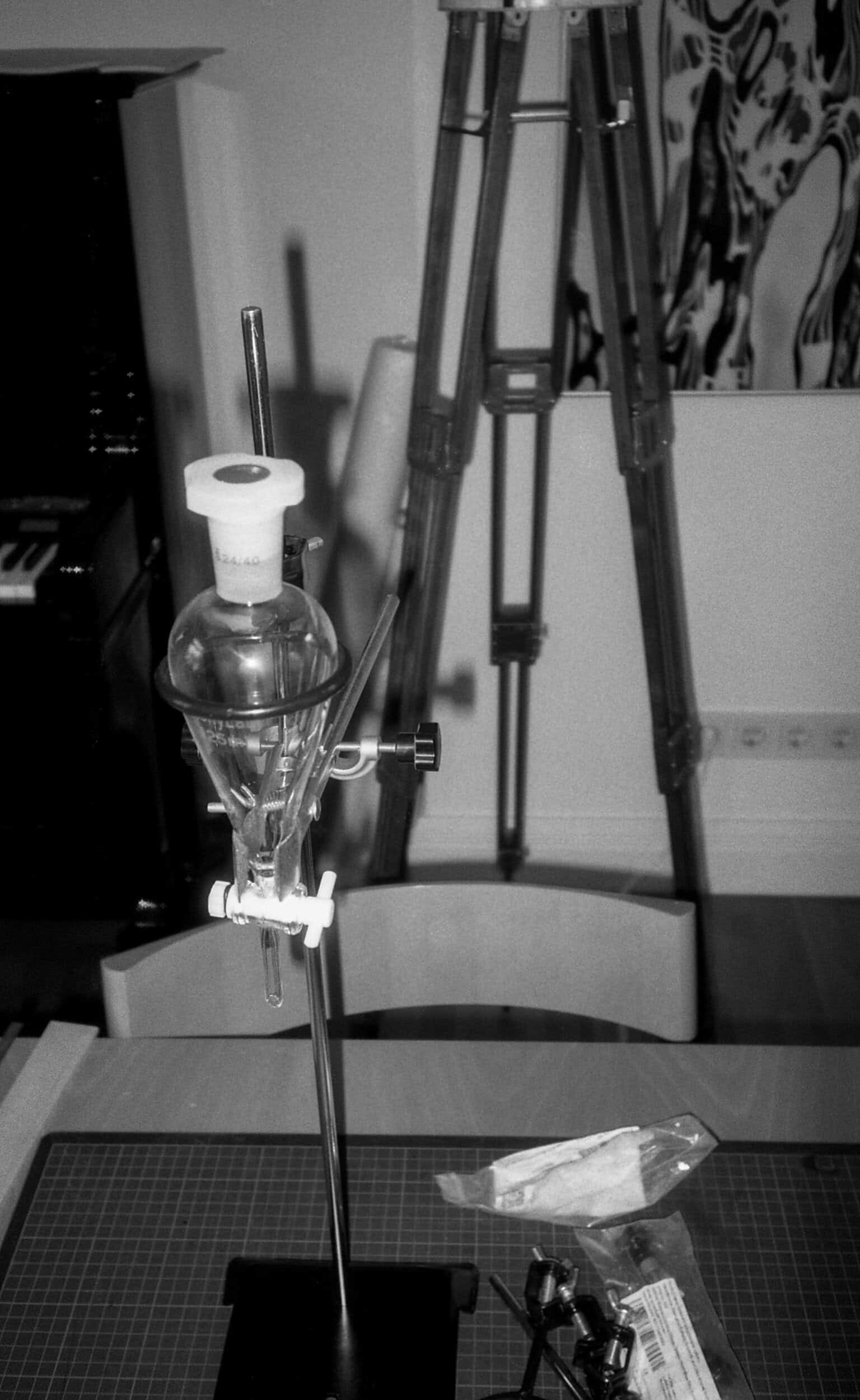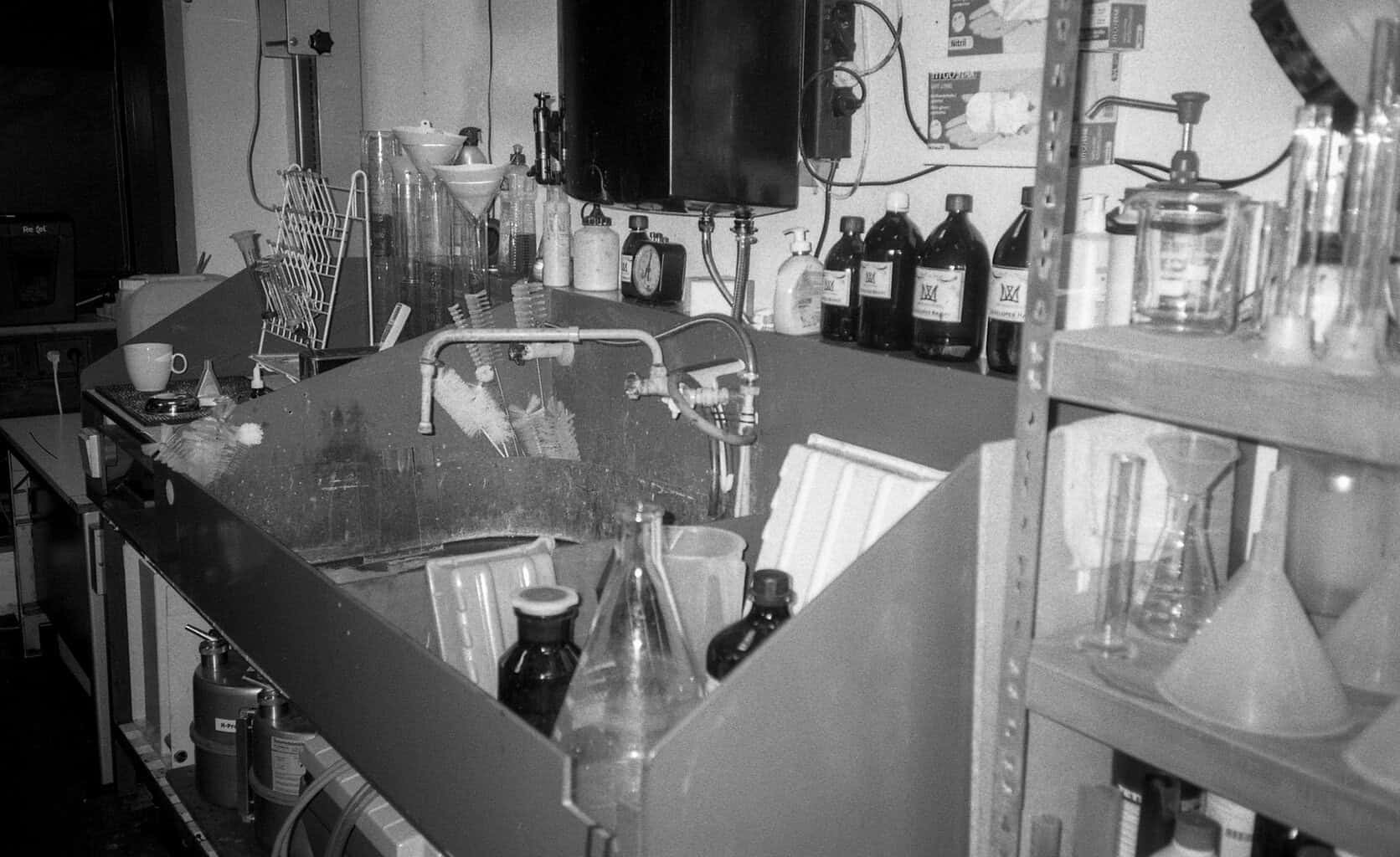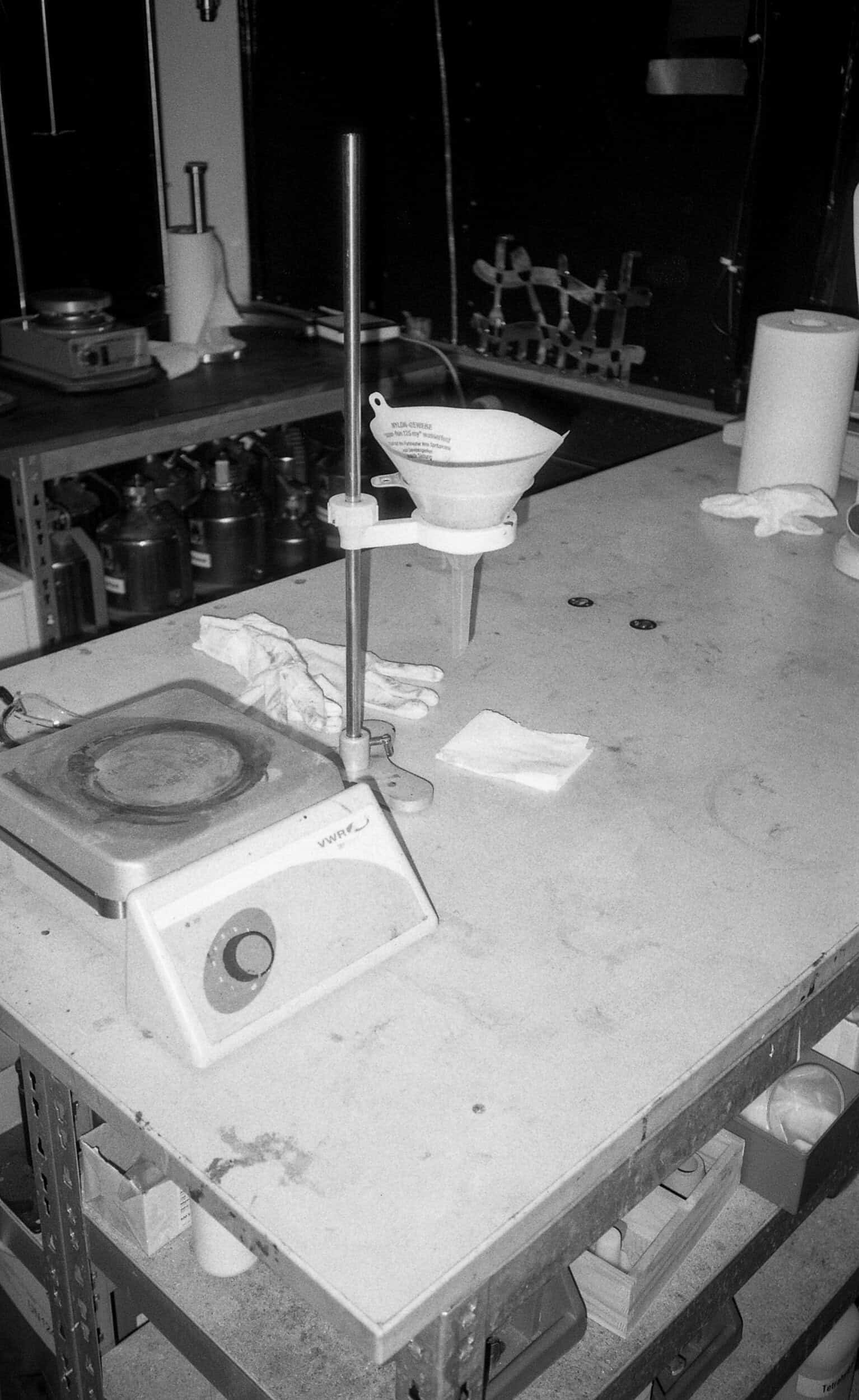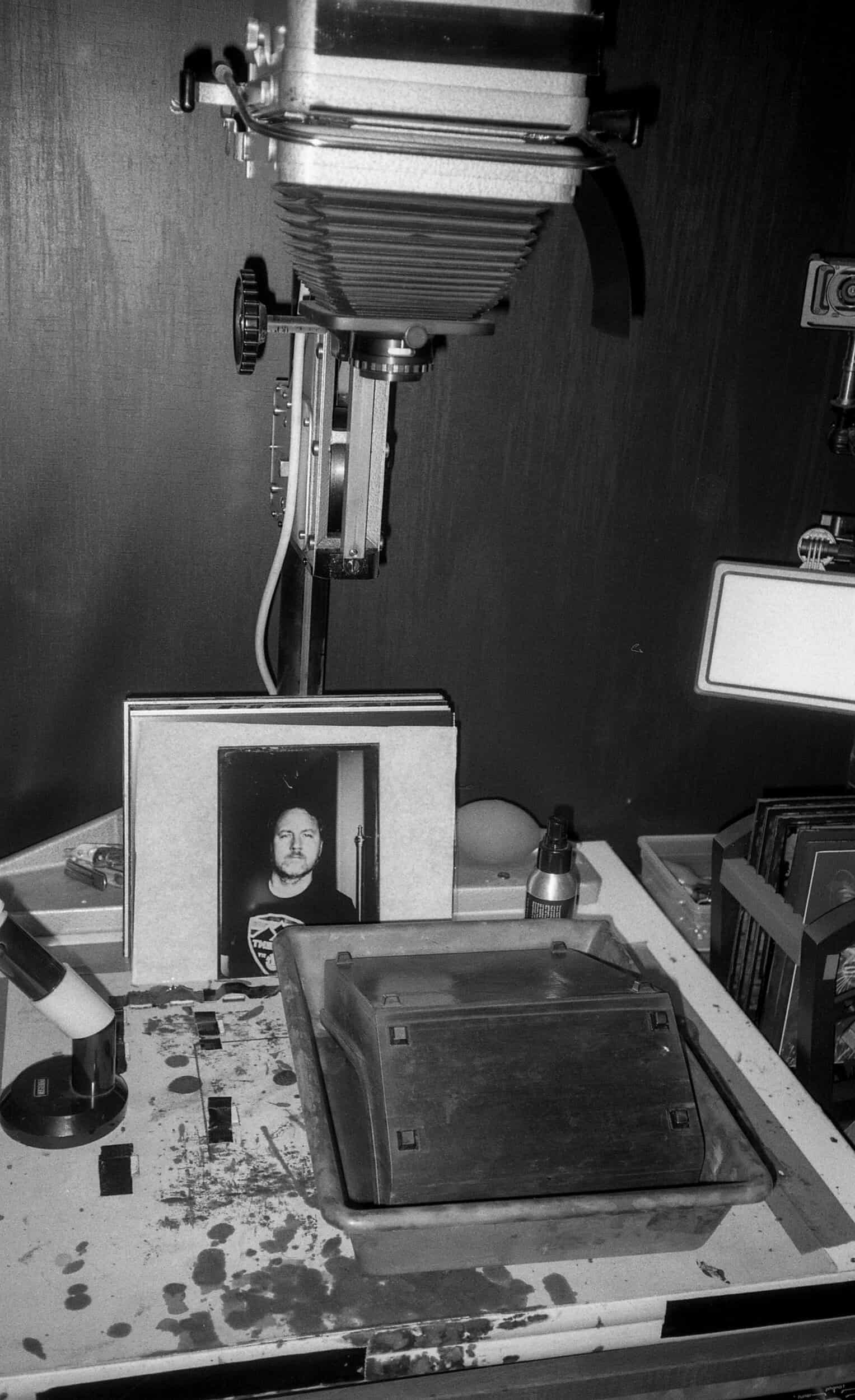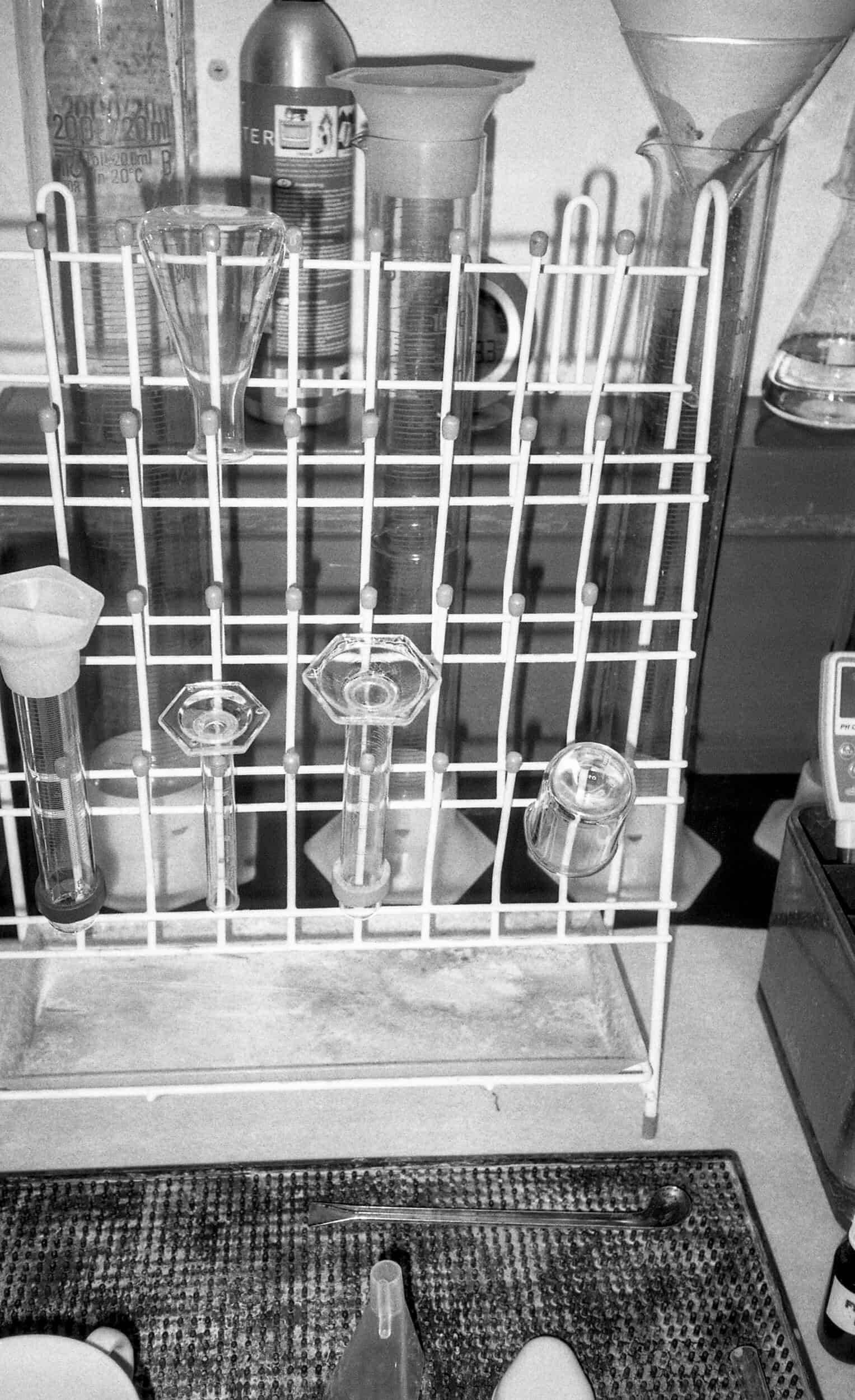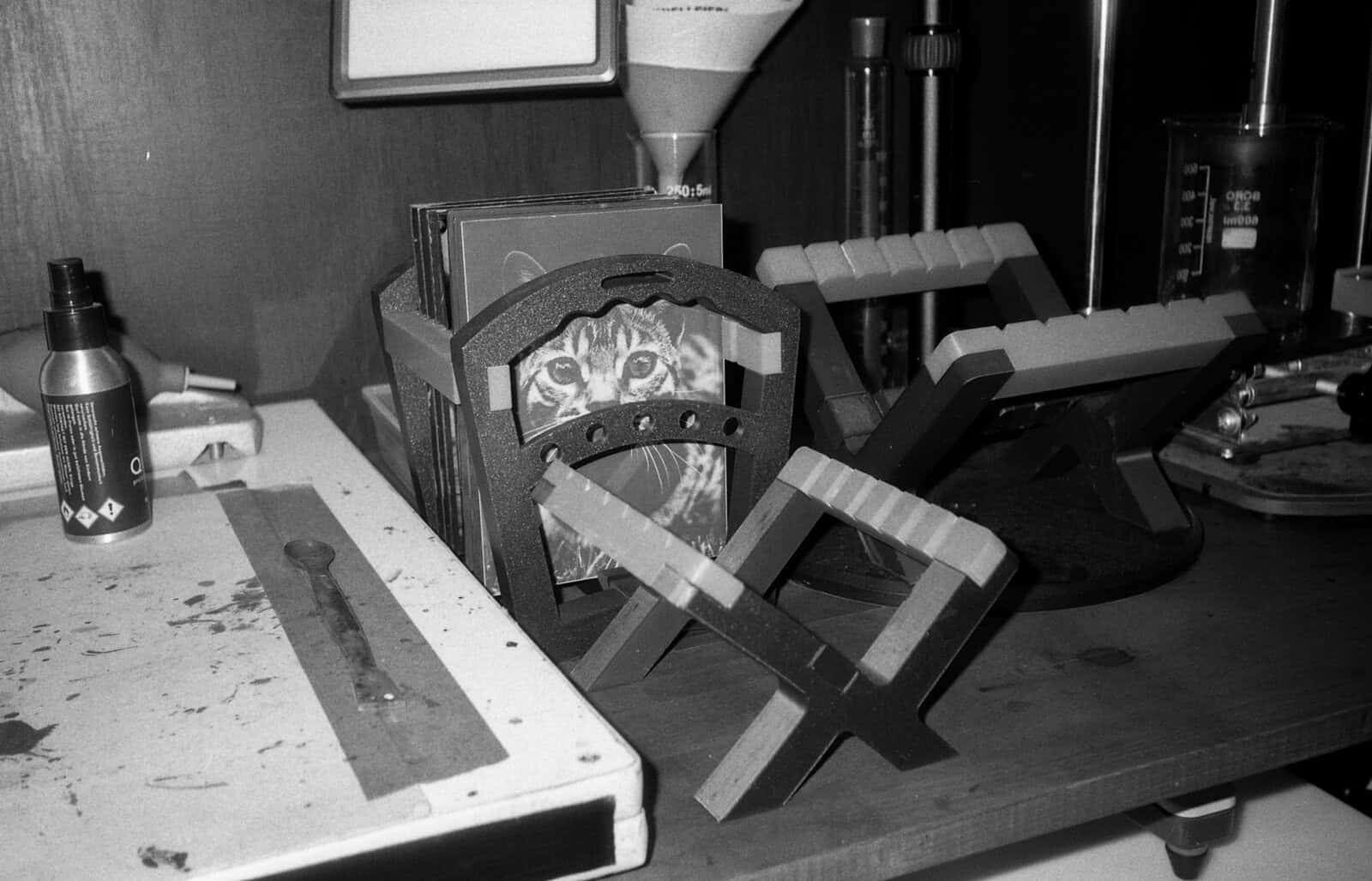
This weekend we were back to visiting other people’s studios and darkrooms. One of my favorite hobbies. Those secret rooms where art is conjured through a combination of laying on of hands, gentle encouragement, sweat, and blood. In this case, less blood — but significantly more chemistry.
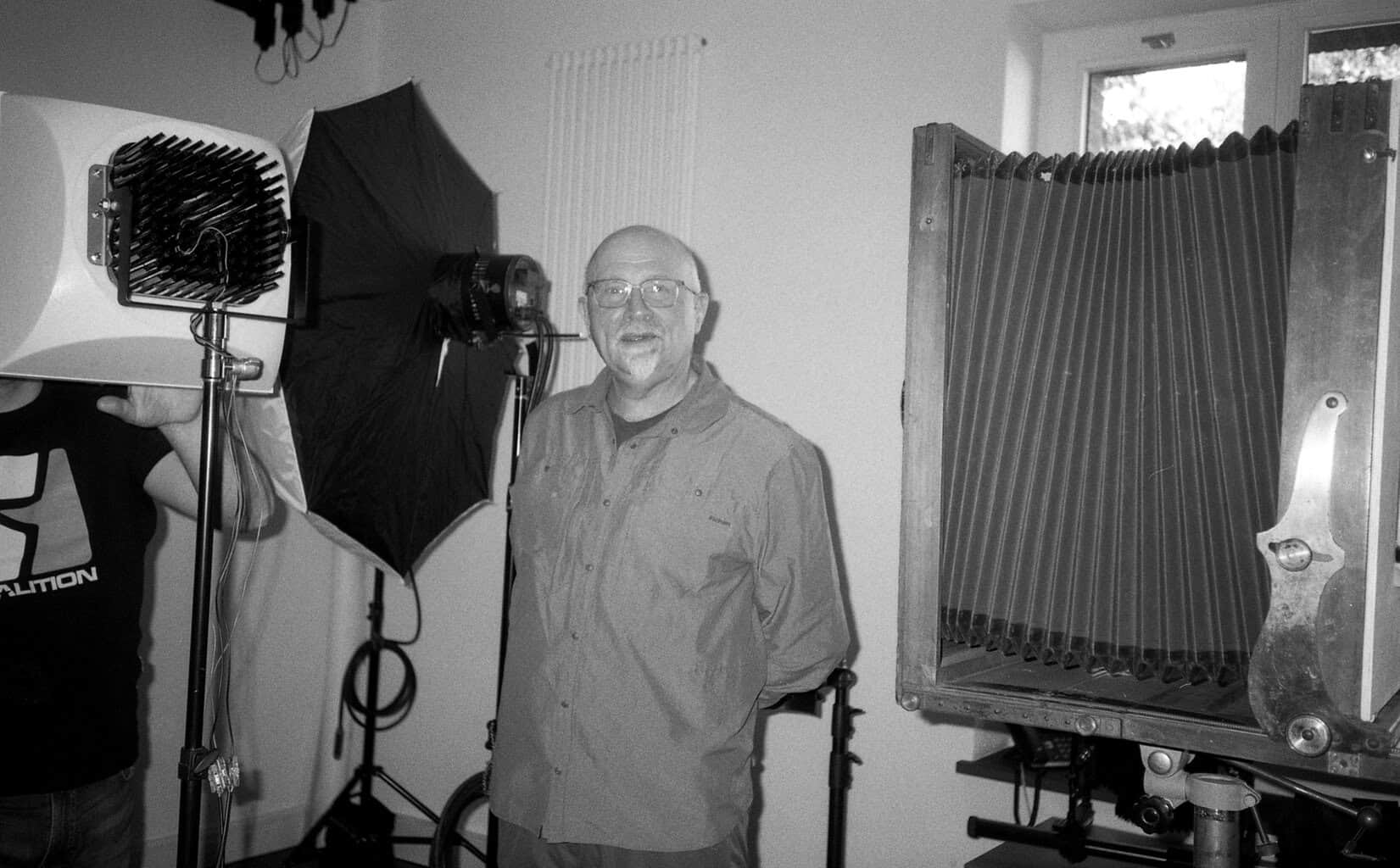
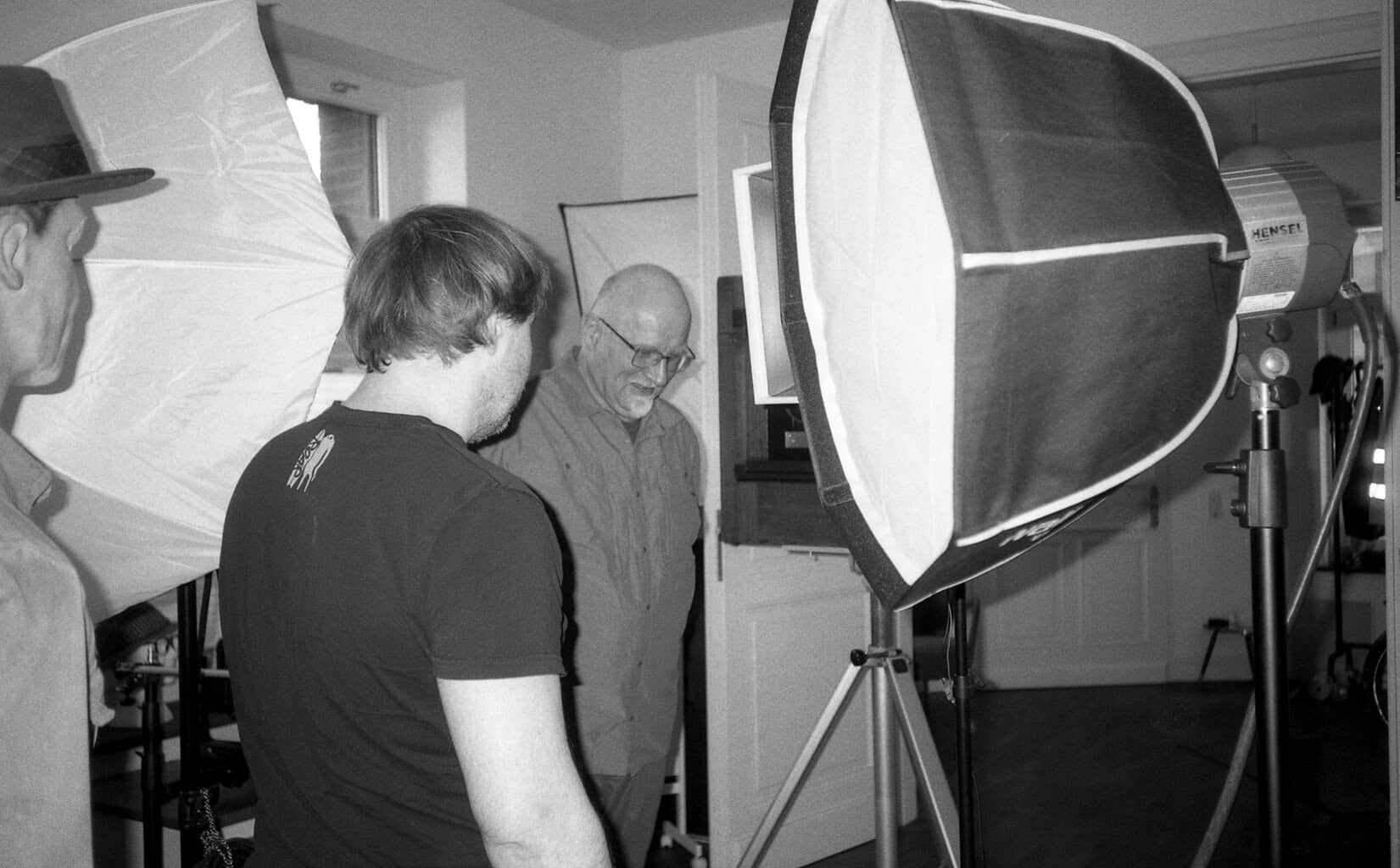
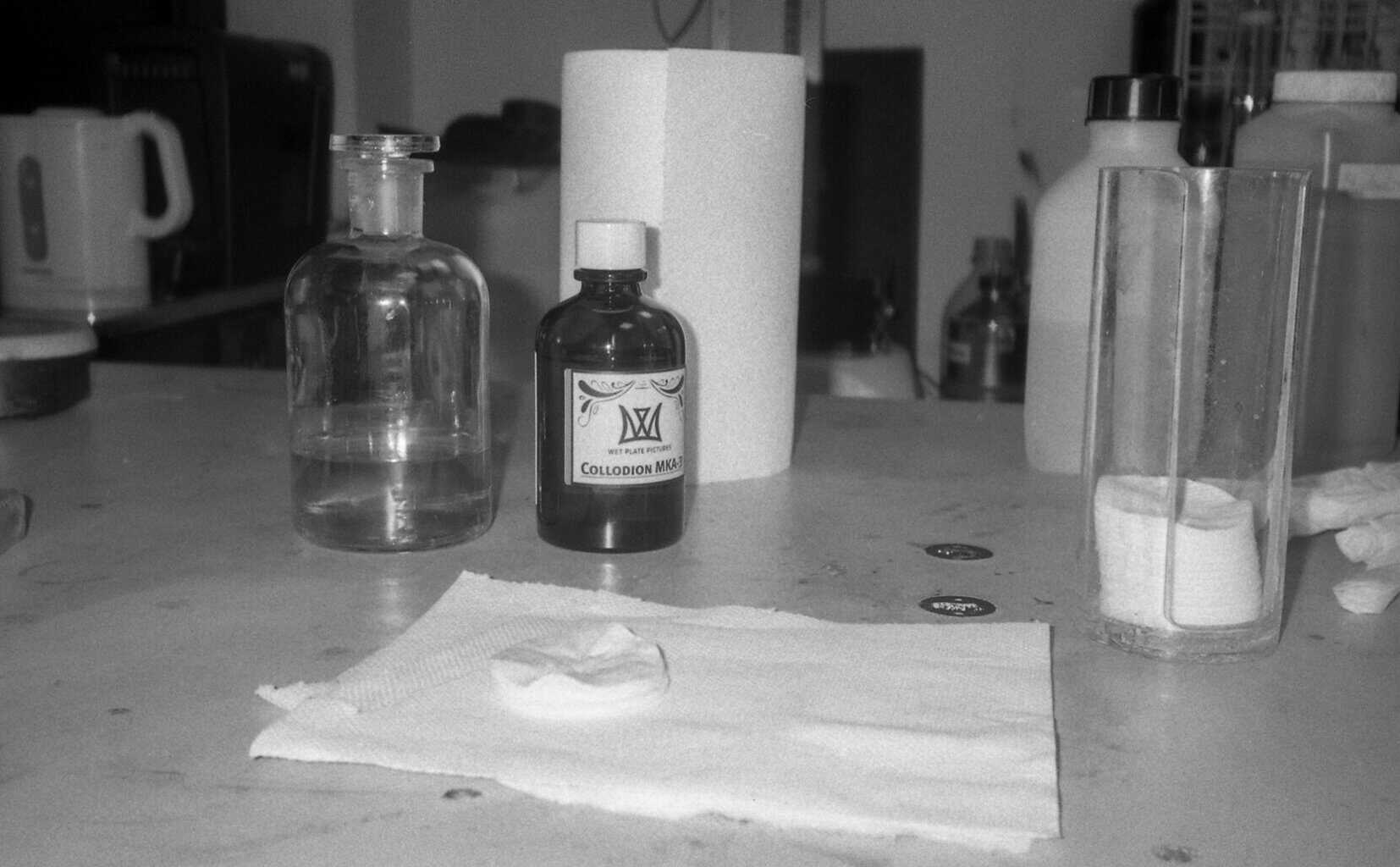
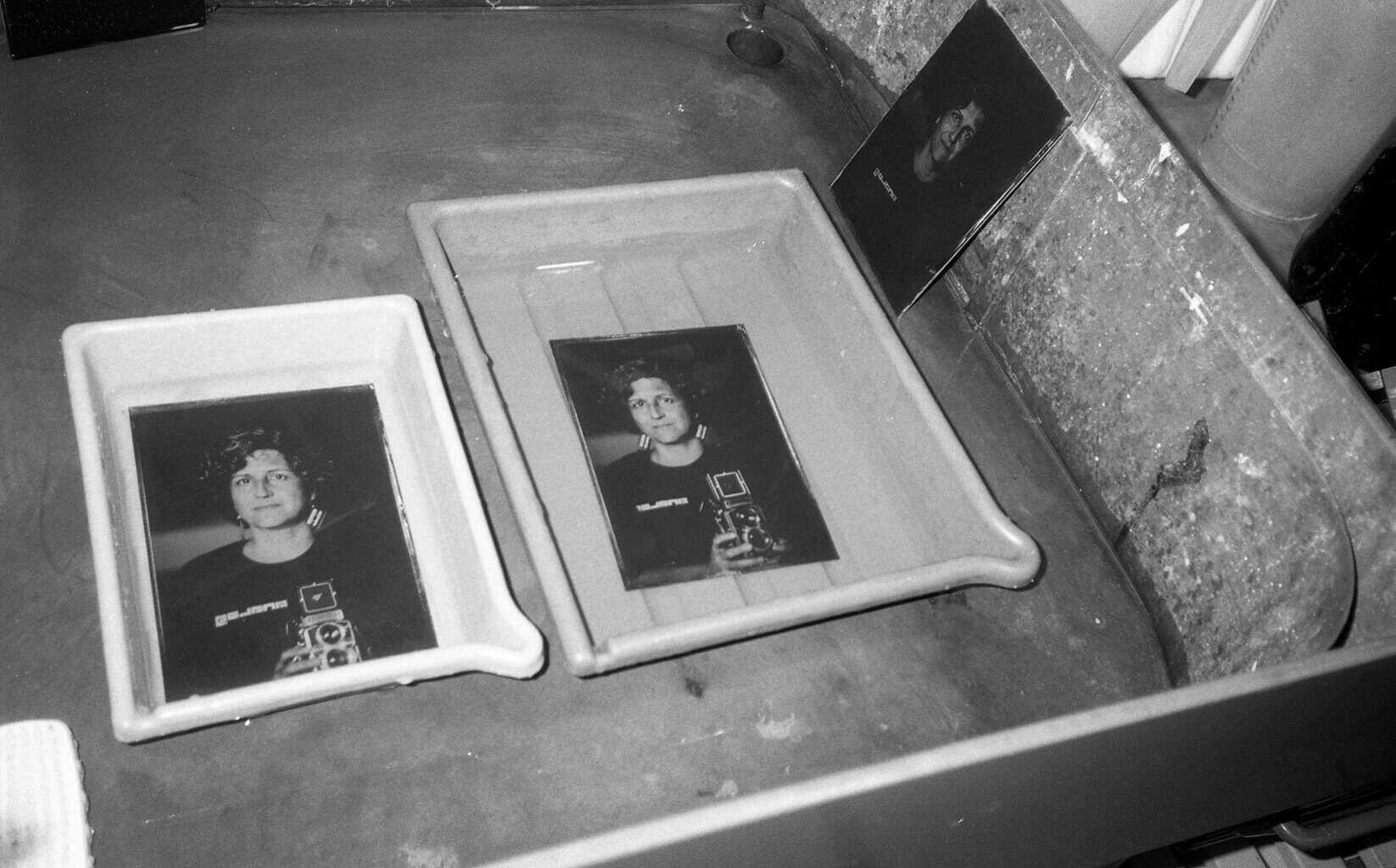
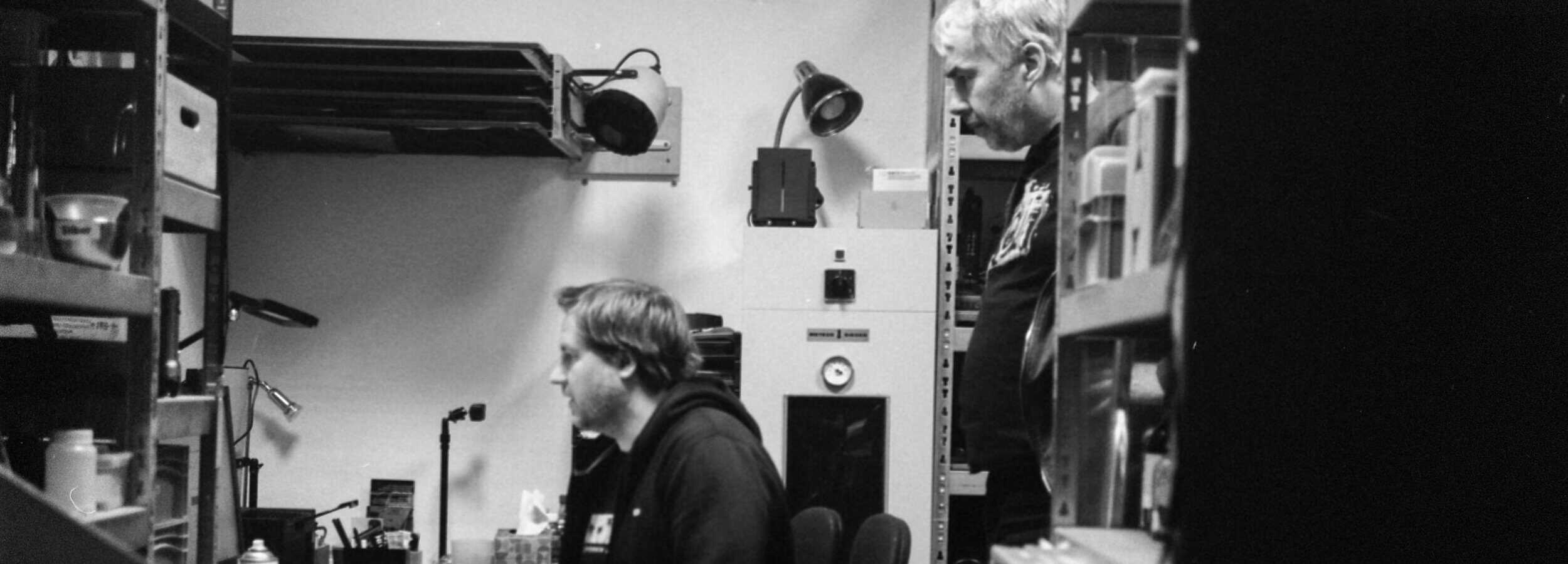
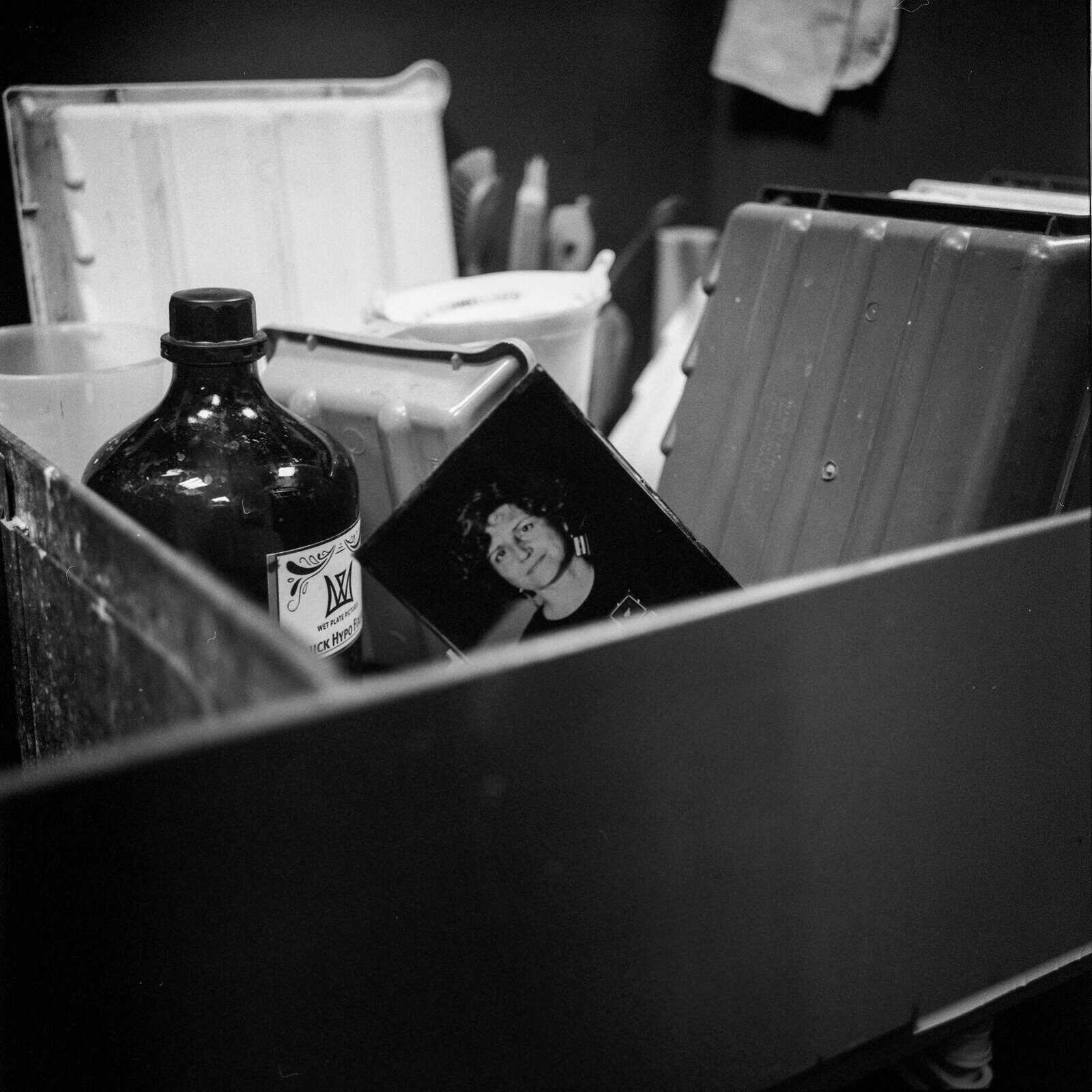
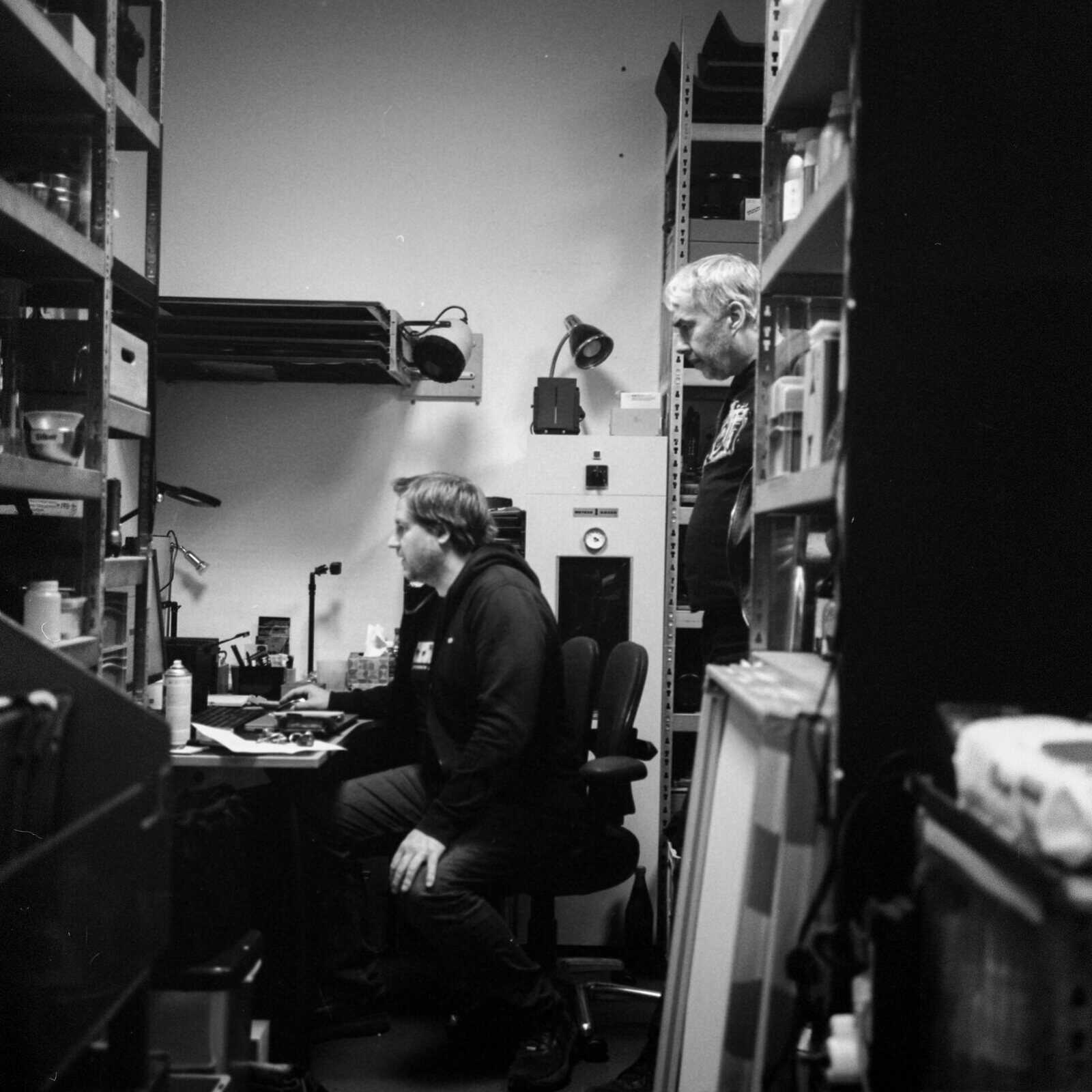
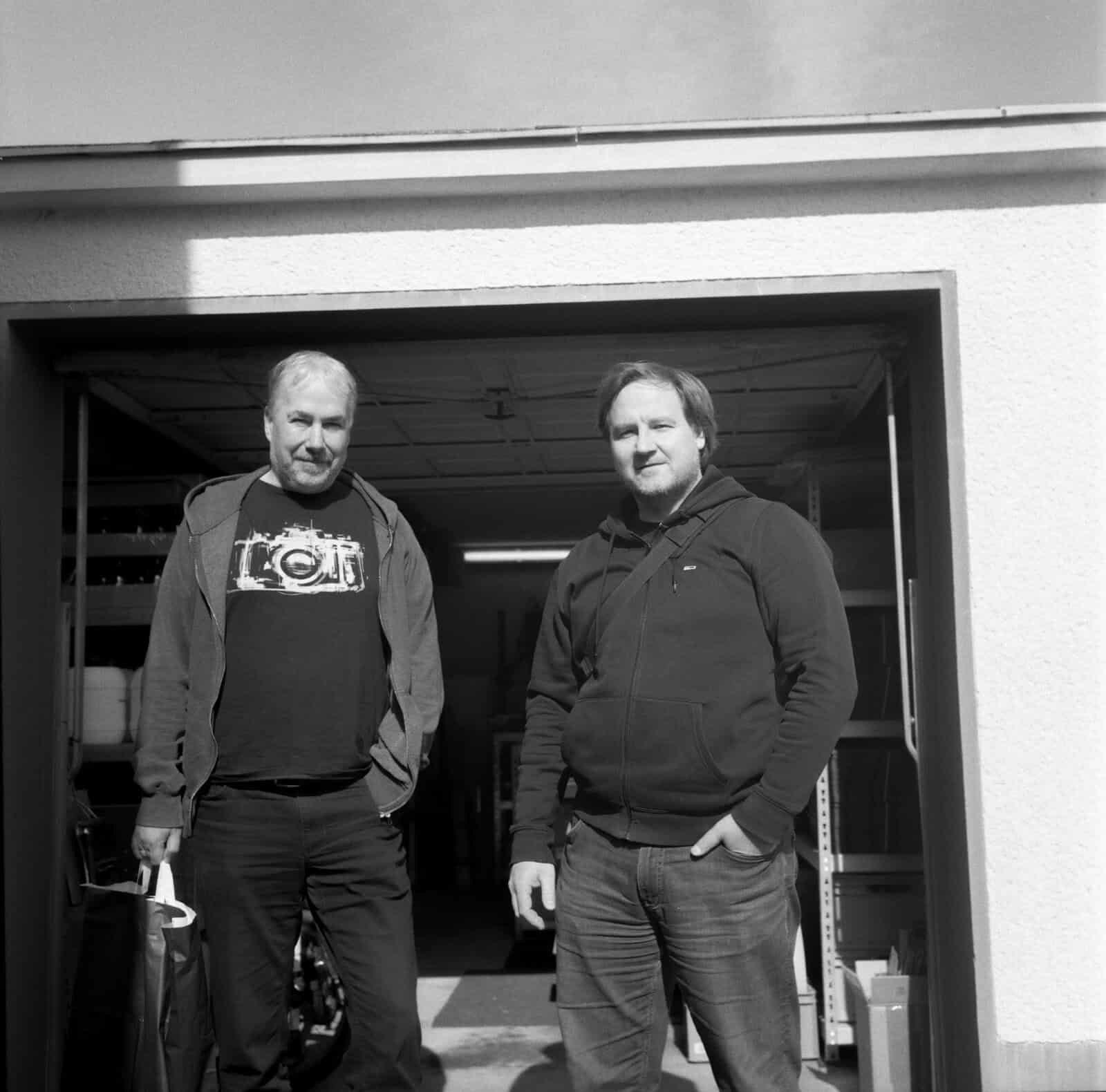
We went to Cologne to visit Marius and his girlfriend Kathi. I know their darkroom so well by now that I could navigate it blind — which is actually a genuine advantage when doing RA4 reversal, since a lot of it needs to happen in complete darkness. Besides RA4 reversal, we also did wet plate, because of course we did, that never not happens. Marius was deep in testing his new light source, designed specifically for wet plate portraits. And I got to educate myself some more on the subject of filters for RA4 reversal — and judging by the feedback I keep getting on Facebook and Instagram, filters are apparently the holy grail right now. After Marius explained it all to me in detail (not for the first time — but look, I’m also not the brightest candle on the birthday cake), I at least had the feeling I understood a bit more. And had a clearer idea of what I still need to go test.
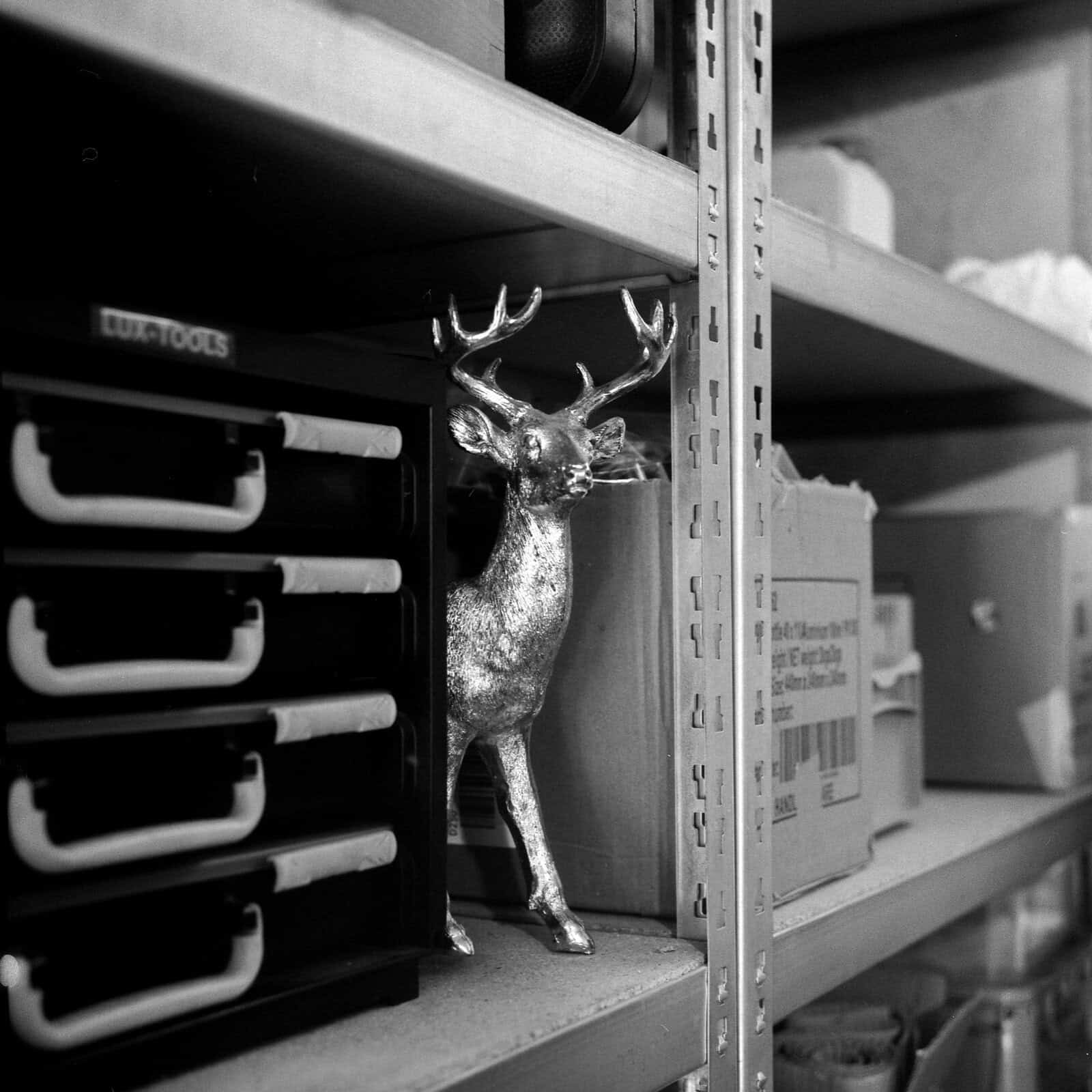
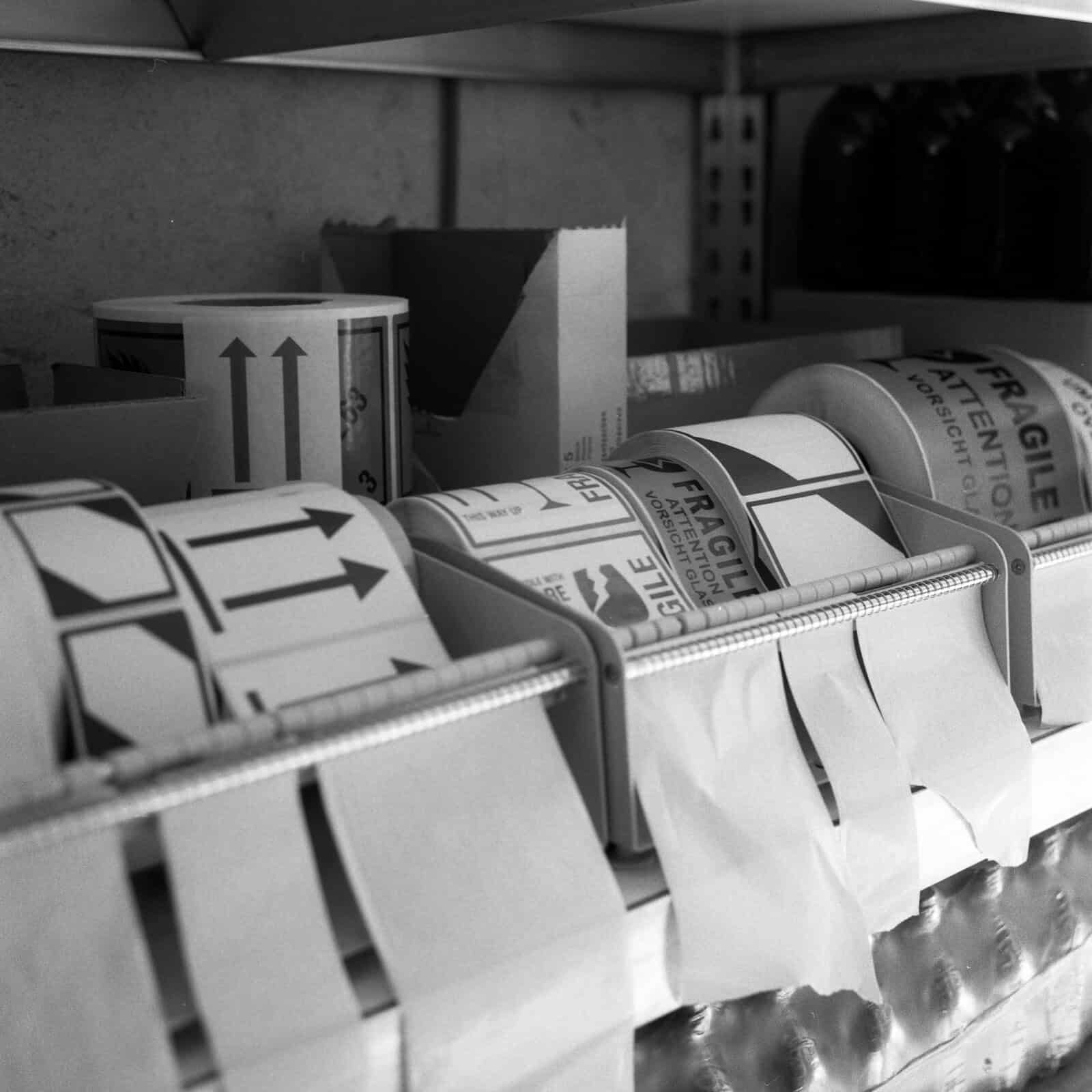
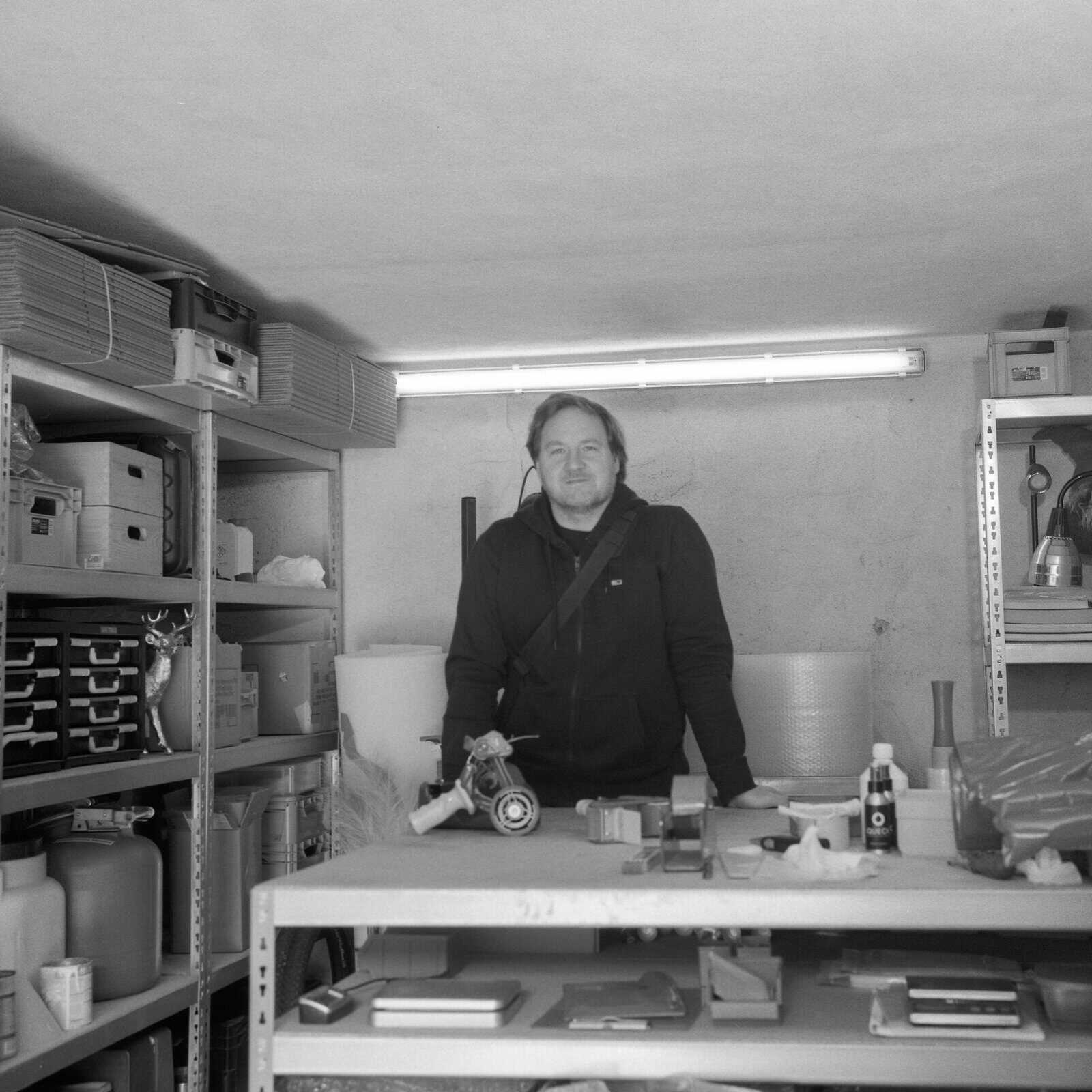
We also got a look at the packing station for his shop — tucked away in the basement next to all the stored products. Where I, obviously, immediately bought things. Fresh collodion and wet plate developer. Obviously.
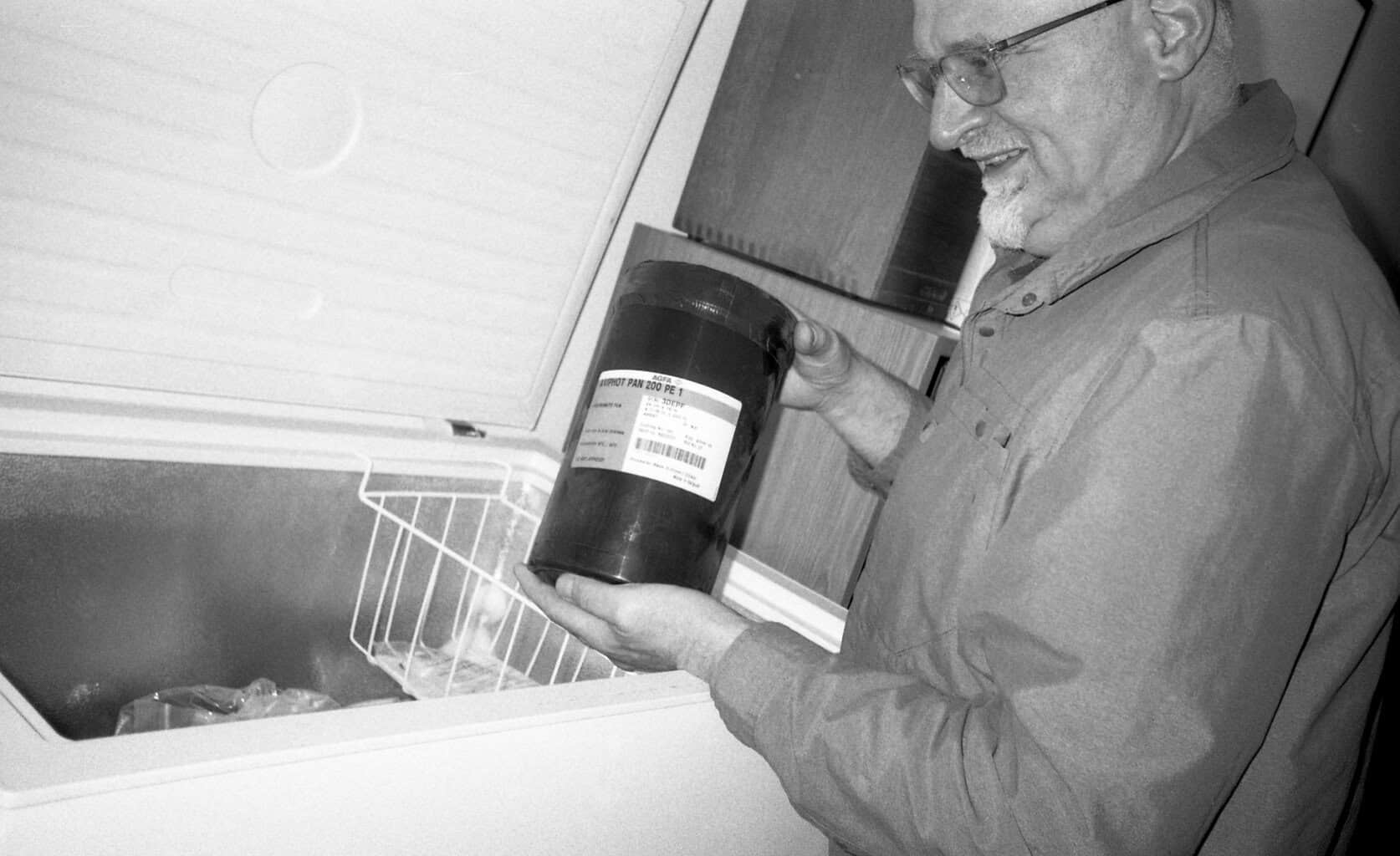
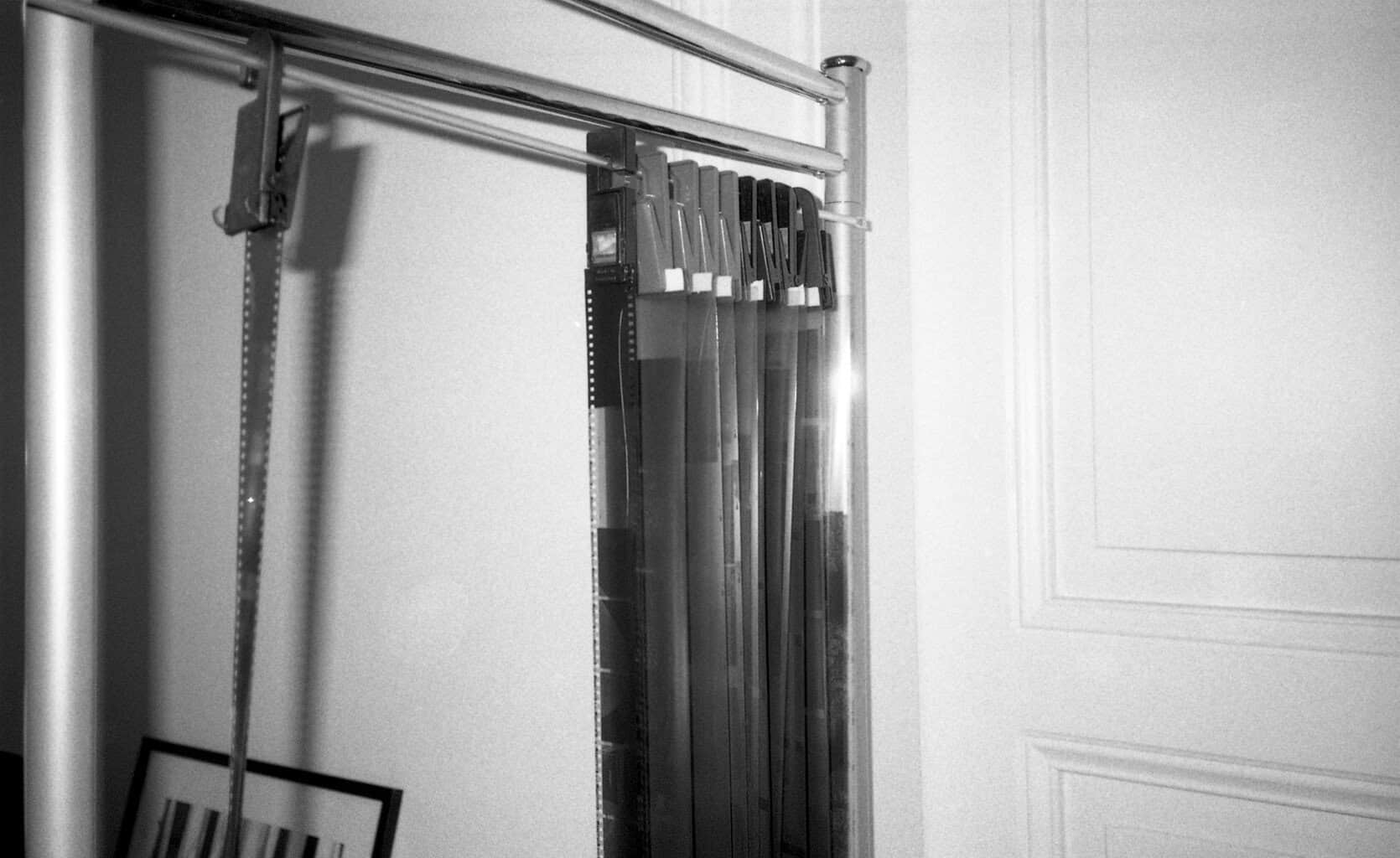
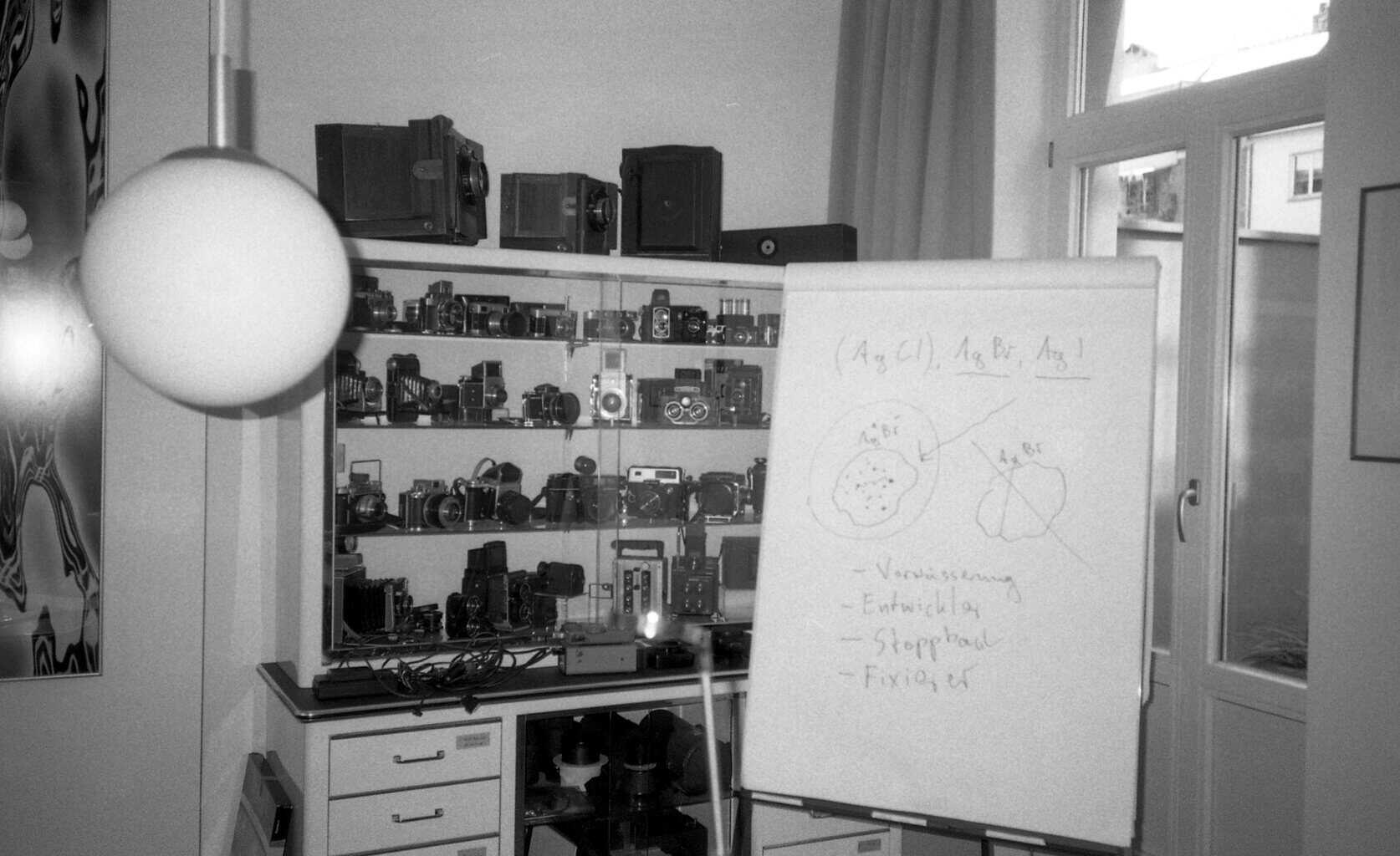
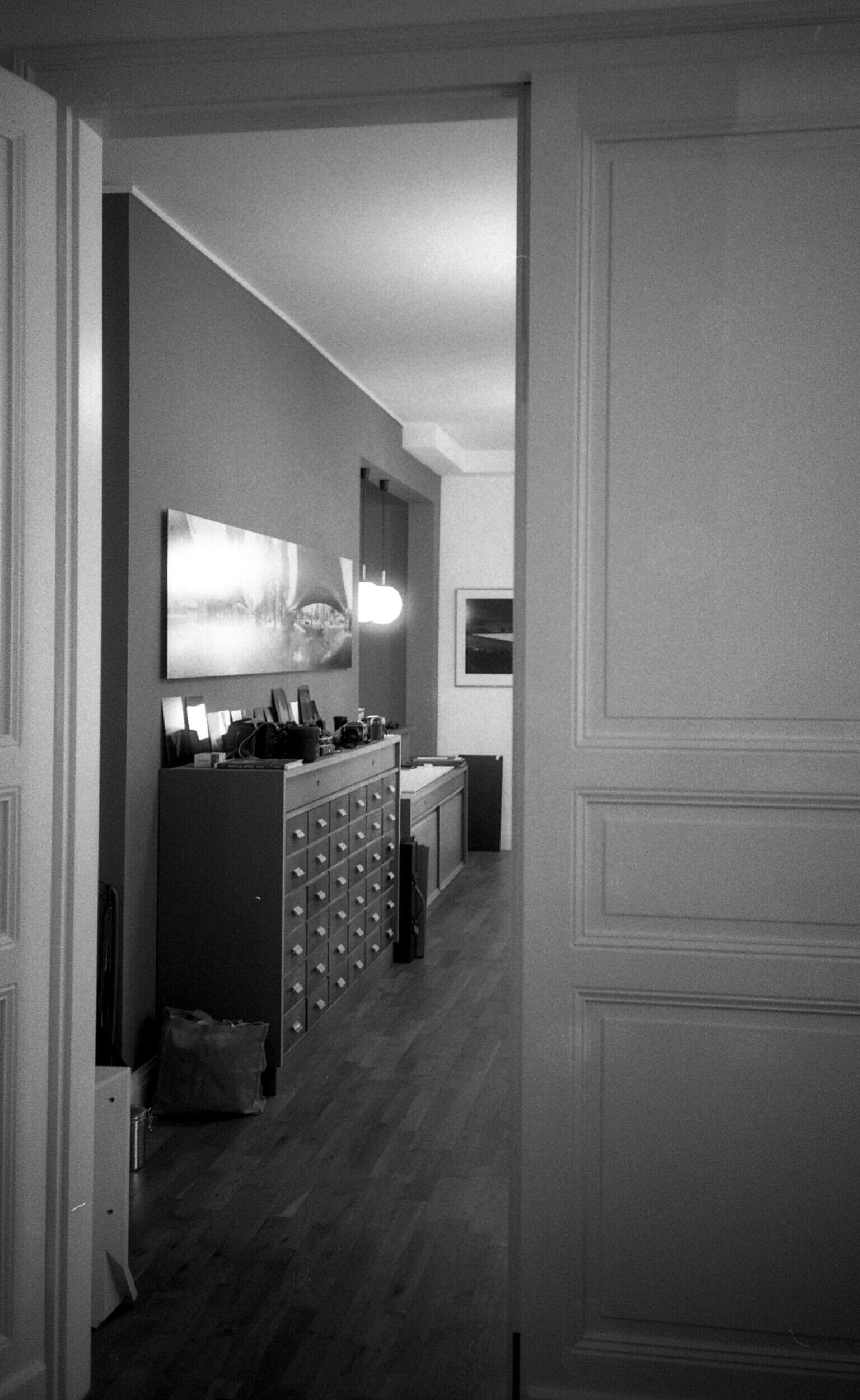
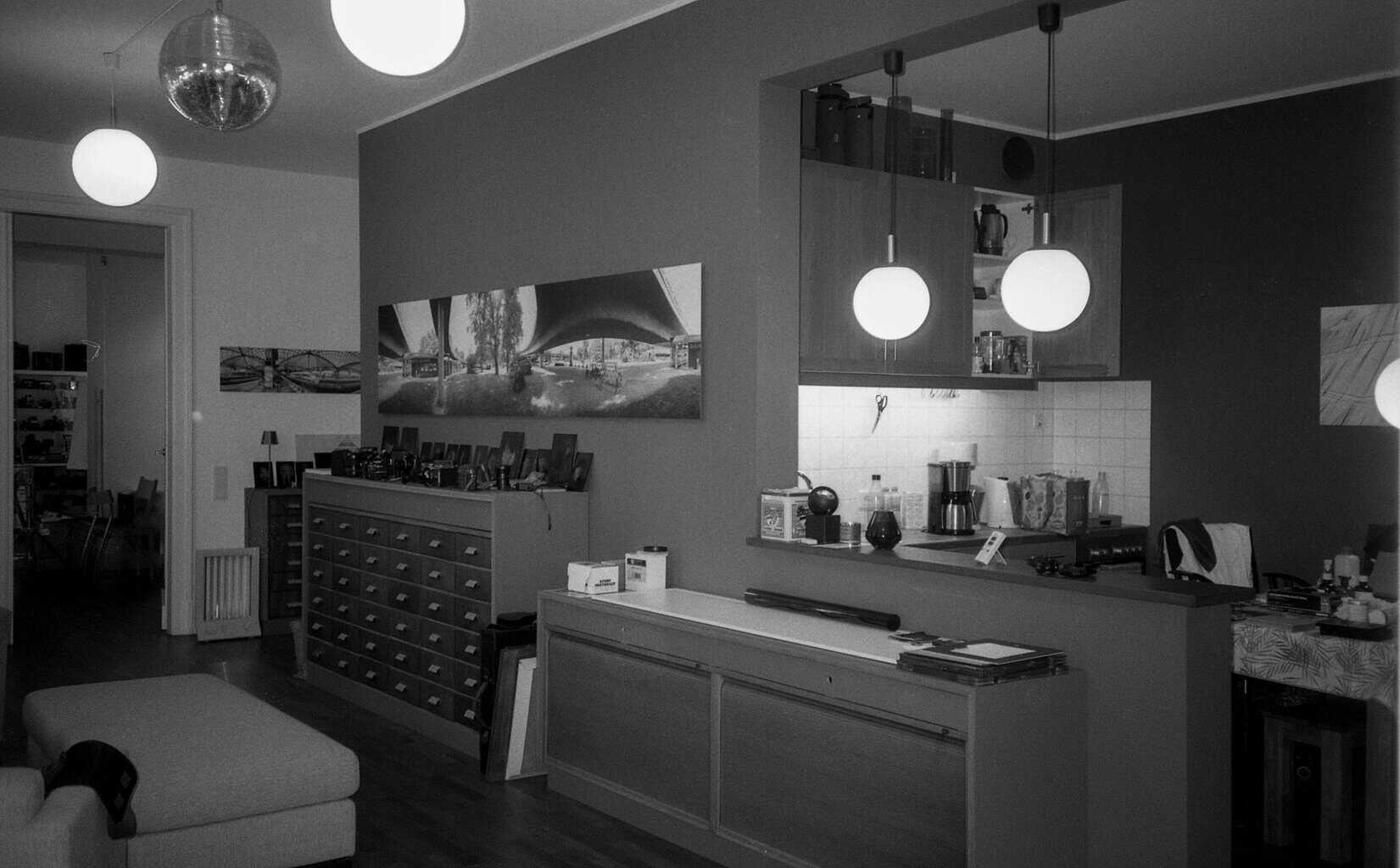
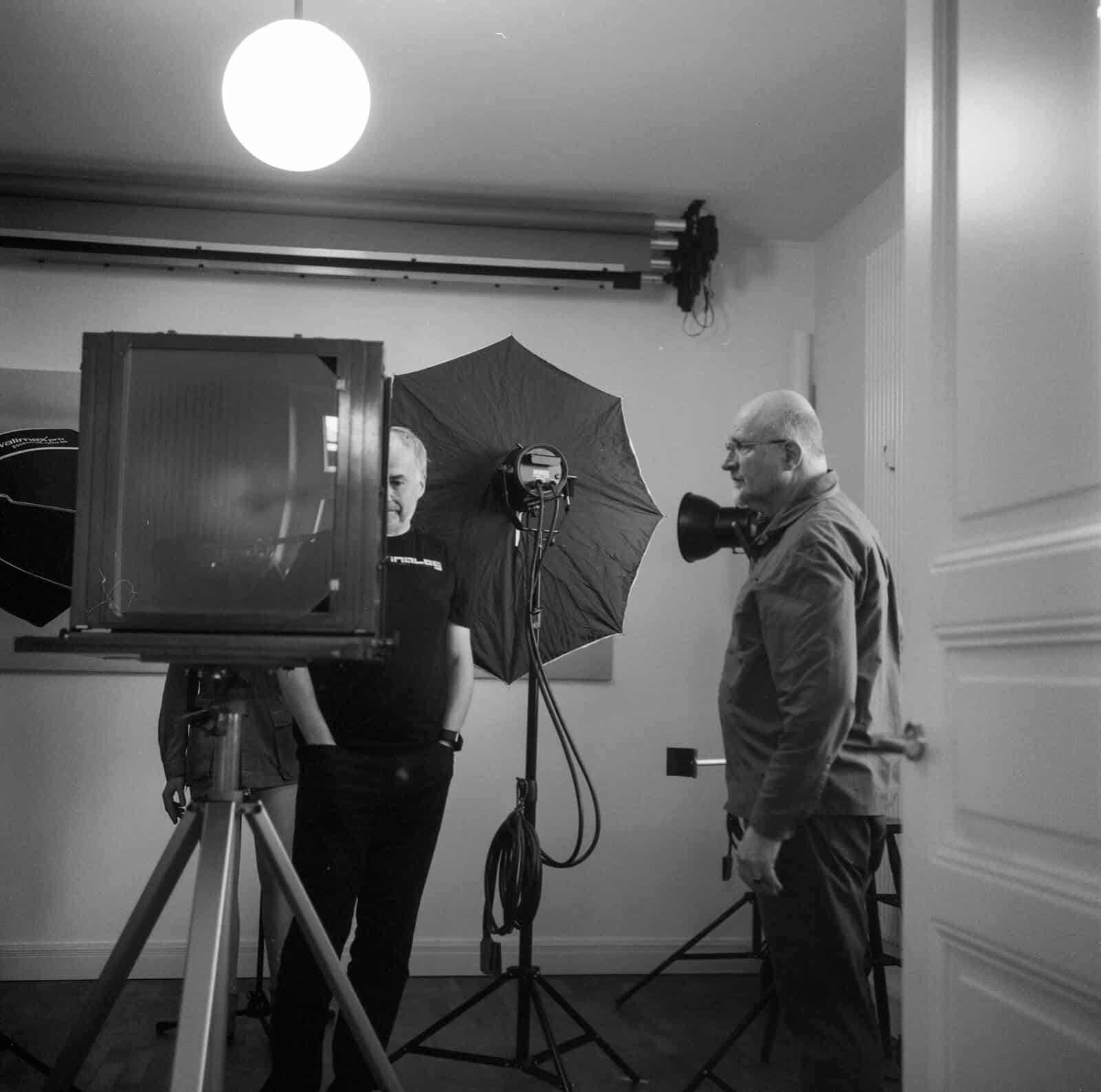
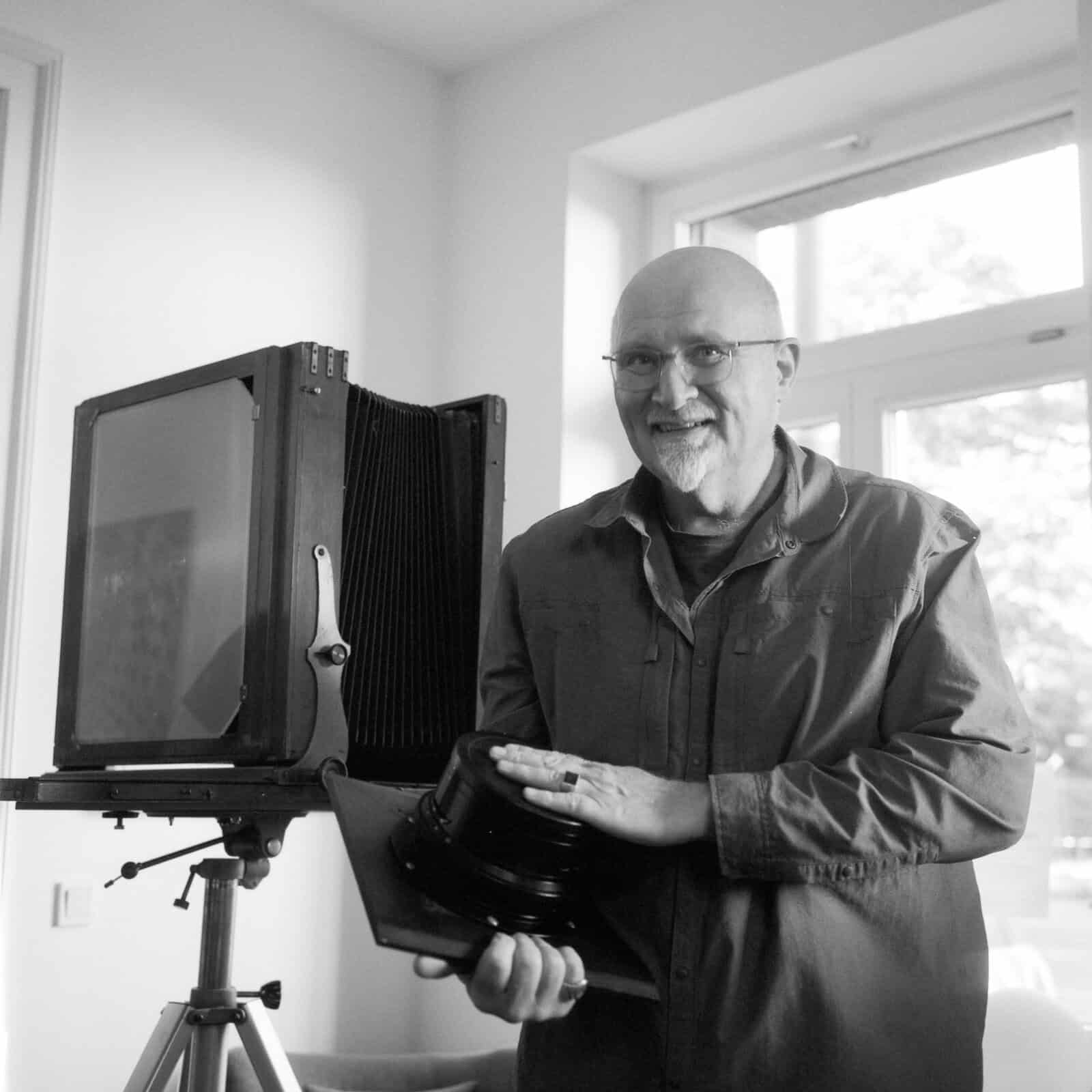
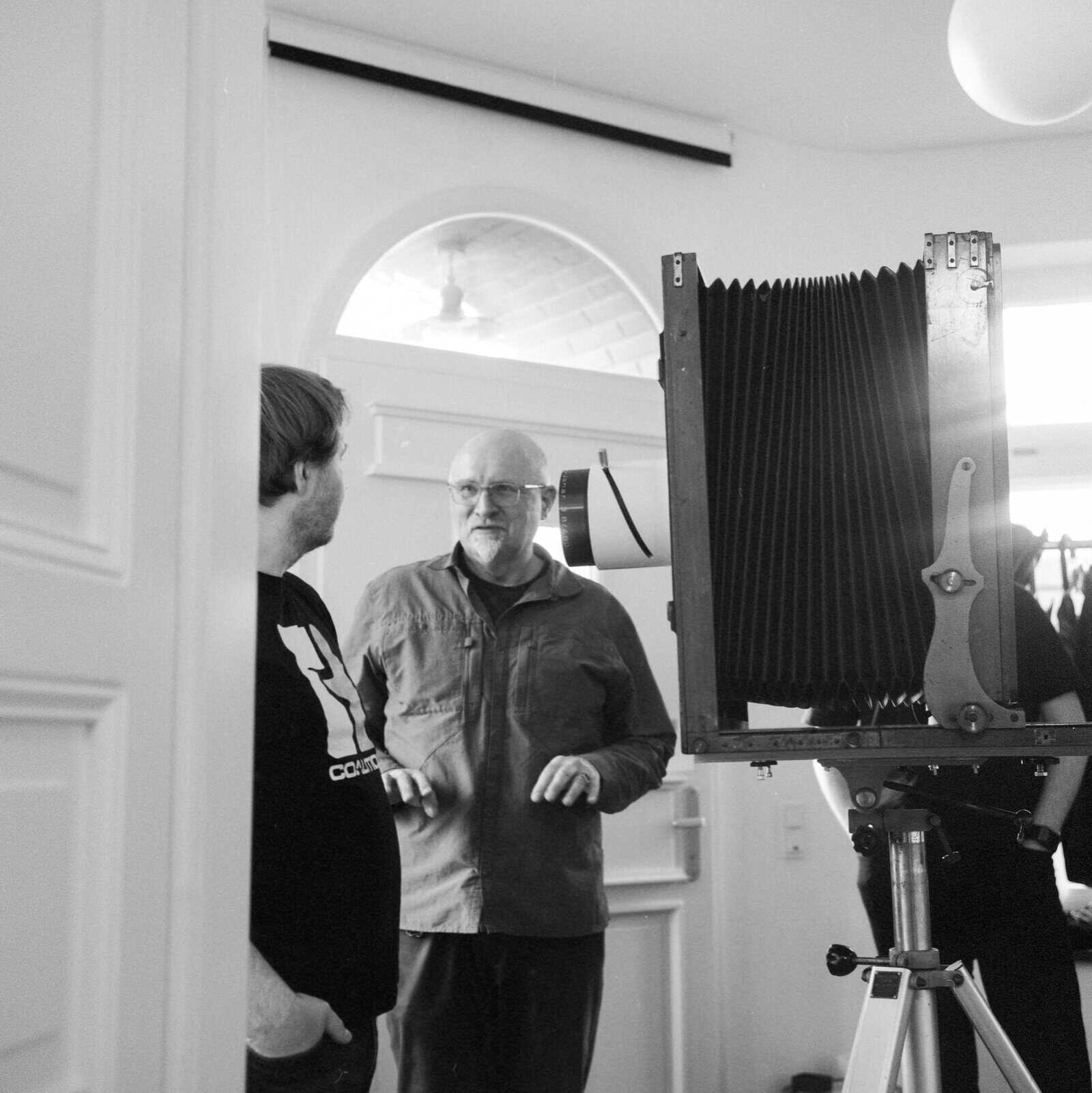
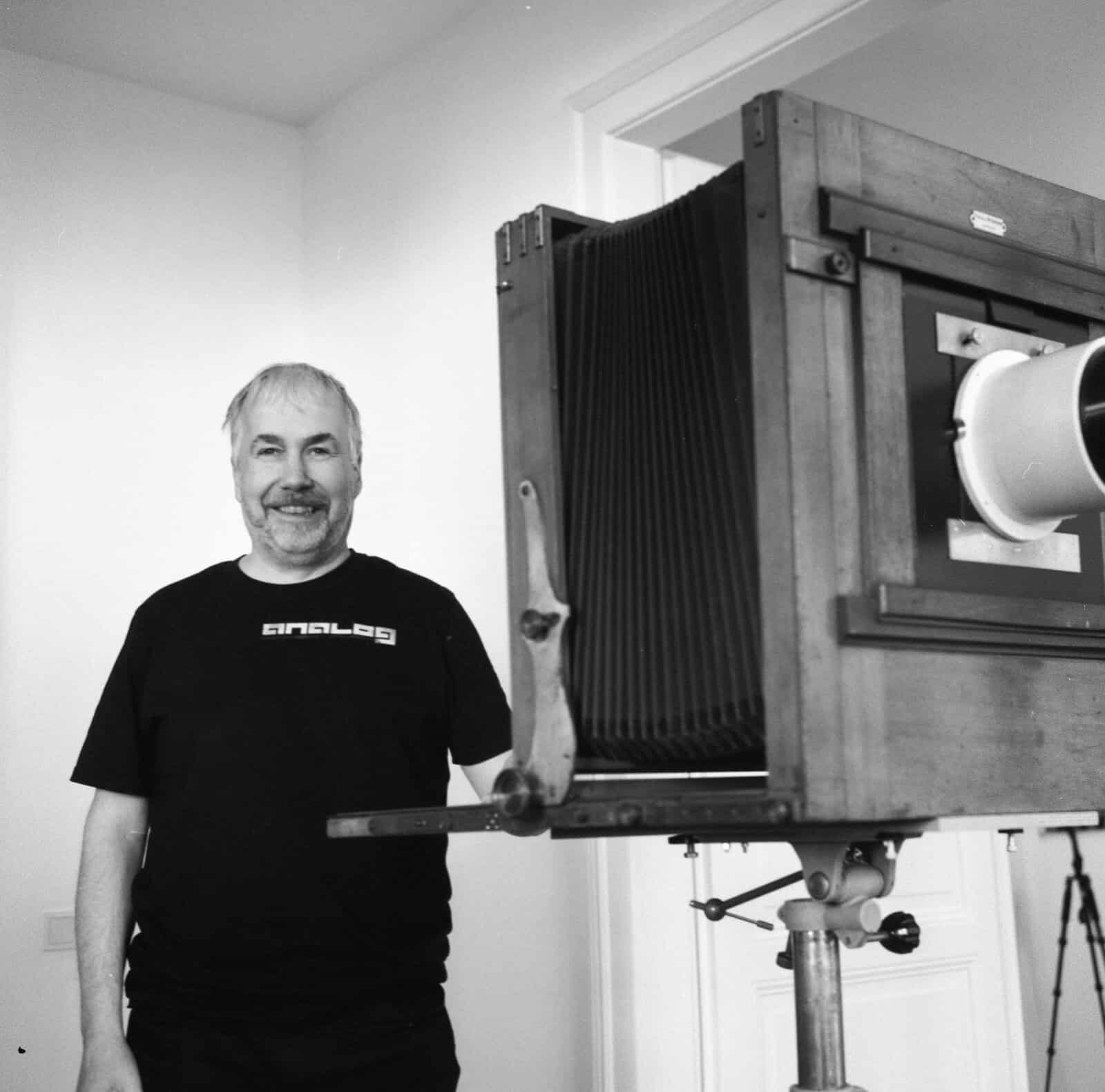
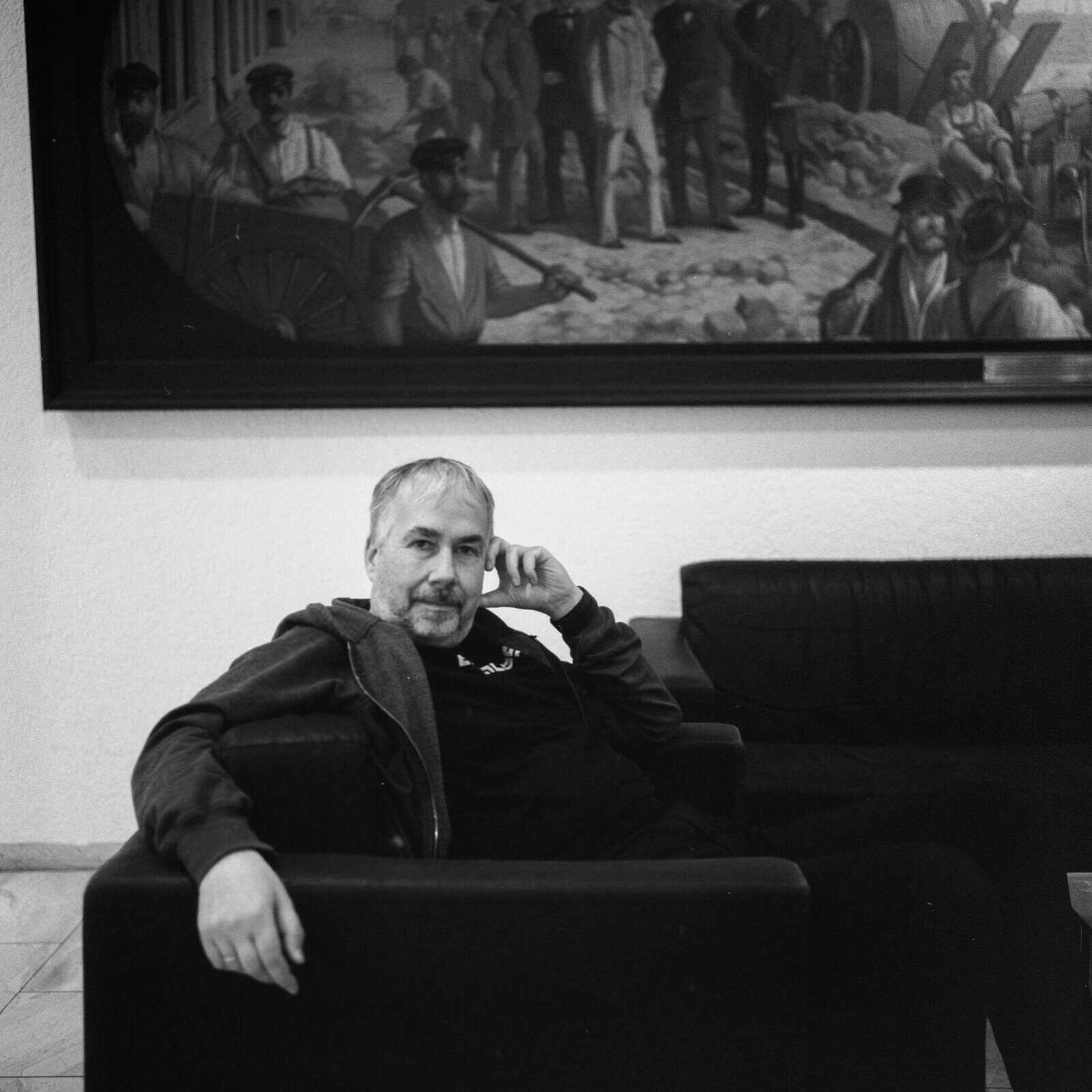
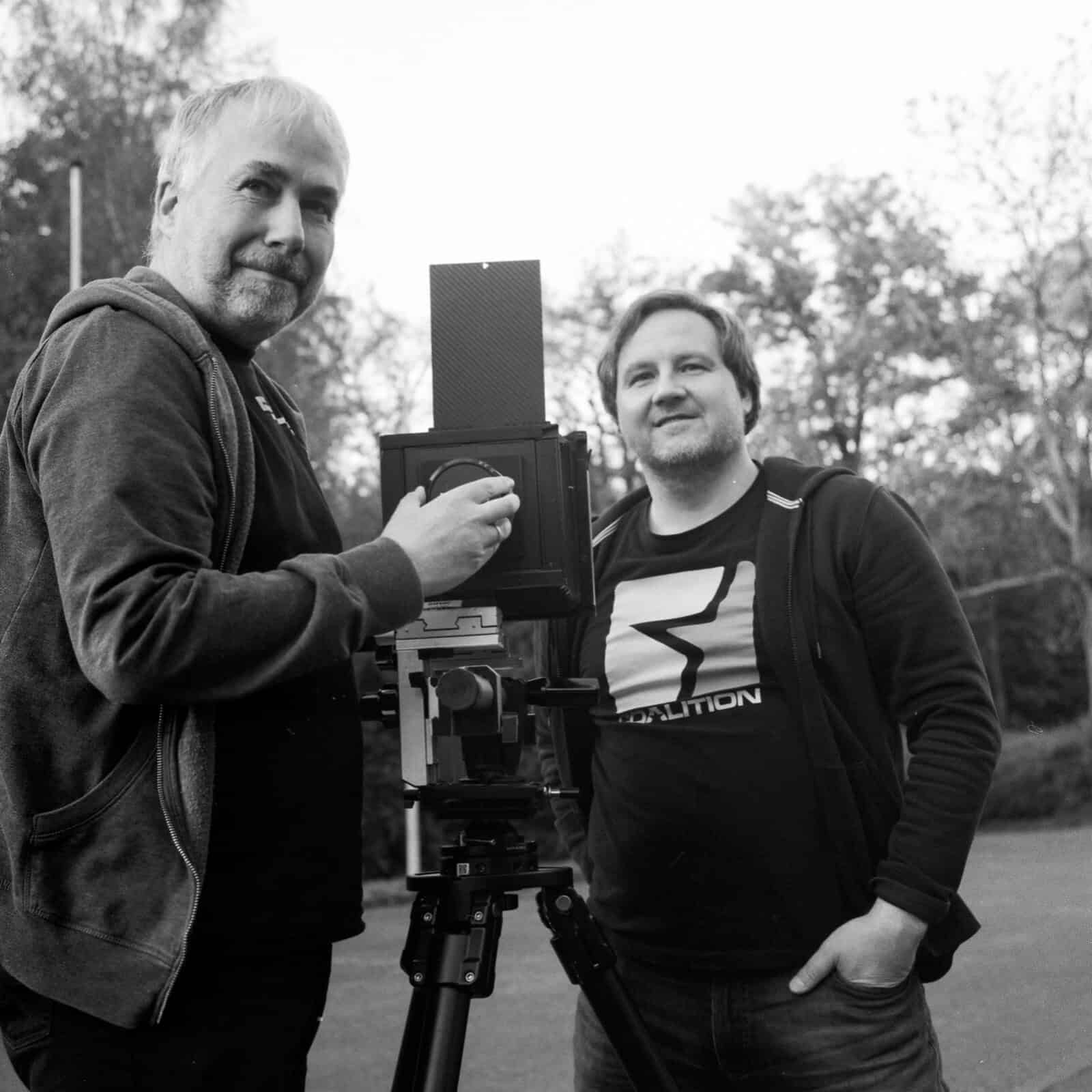
On Saturday we spent the whole afternoon at Werner’s place. He’d already been to one of our workshops, and the idea of doing more together came up naturally. He’s a qualified chemist — which for this kind of photography is basically a job requirement. And he has (like us) a complete and total obsession when it comes to buying analog cameras. His most impressive work, in my opinion, was shot with the Cirkut — a full rotation panoramic camera with negatives that are 8 inches tall. And 1.80 meters long. Let that sink in for a second. The negatives are simply stunning. He’s shot with it inside Cologne Cathedral and up on the roof. A few of those prints hang in the studio. Down in the basement there’s a fridge full of film that still needs to be cut and loaded. Those cute little 35mm canisters, or the tiny medium format rolls — yeah, you can forget that whole sense of scale once you’ve had to haul a container of this film out of the fridge with both hands. Impressed. The man also knows how to make proper coffee and had sourced fresh cake. A very strong indicator that there will be many more meetups — and events — ahead of us.
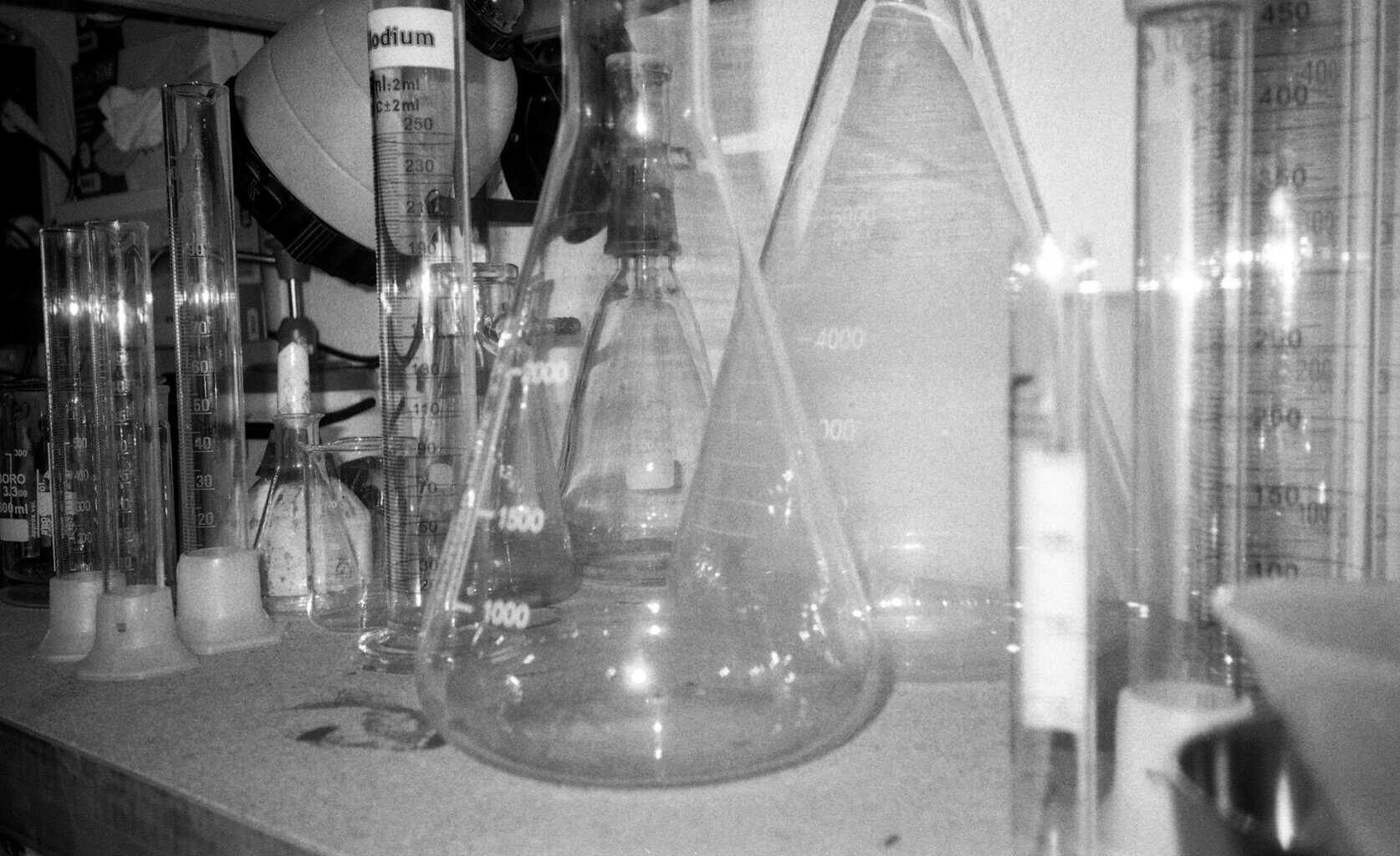
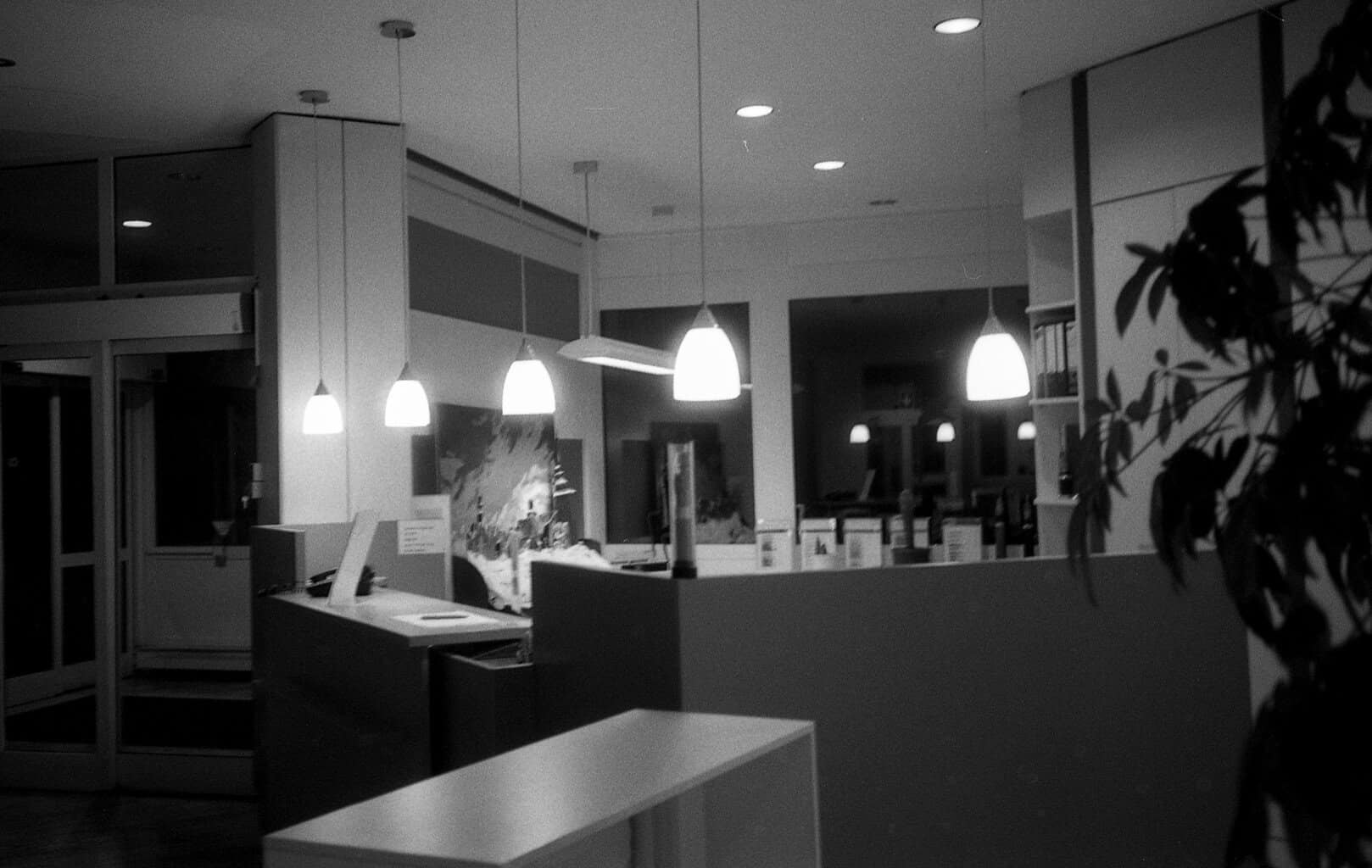
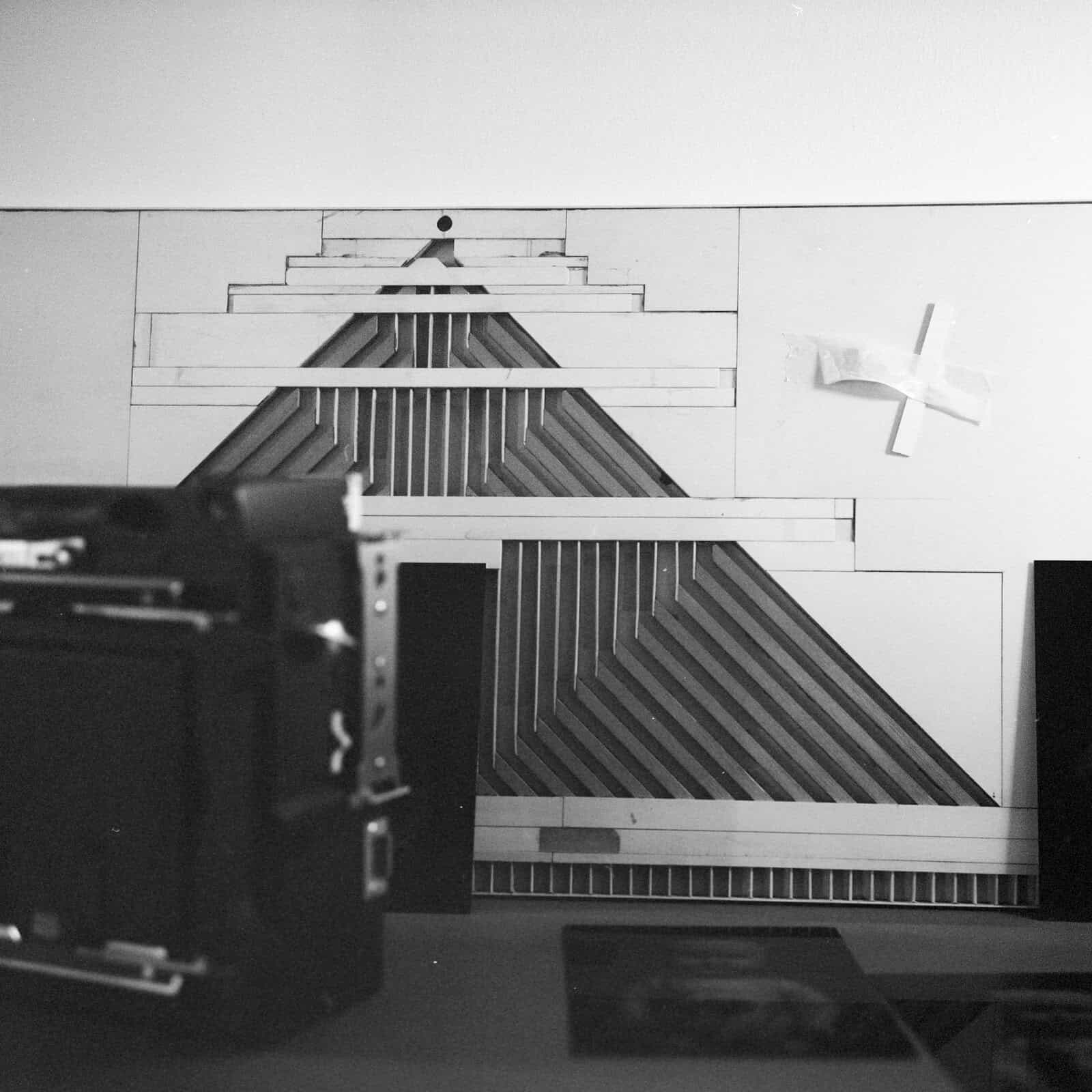
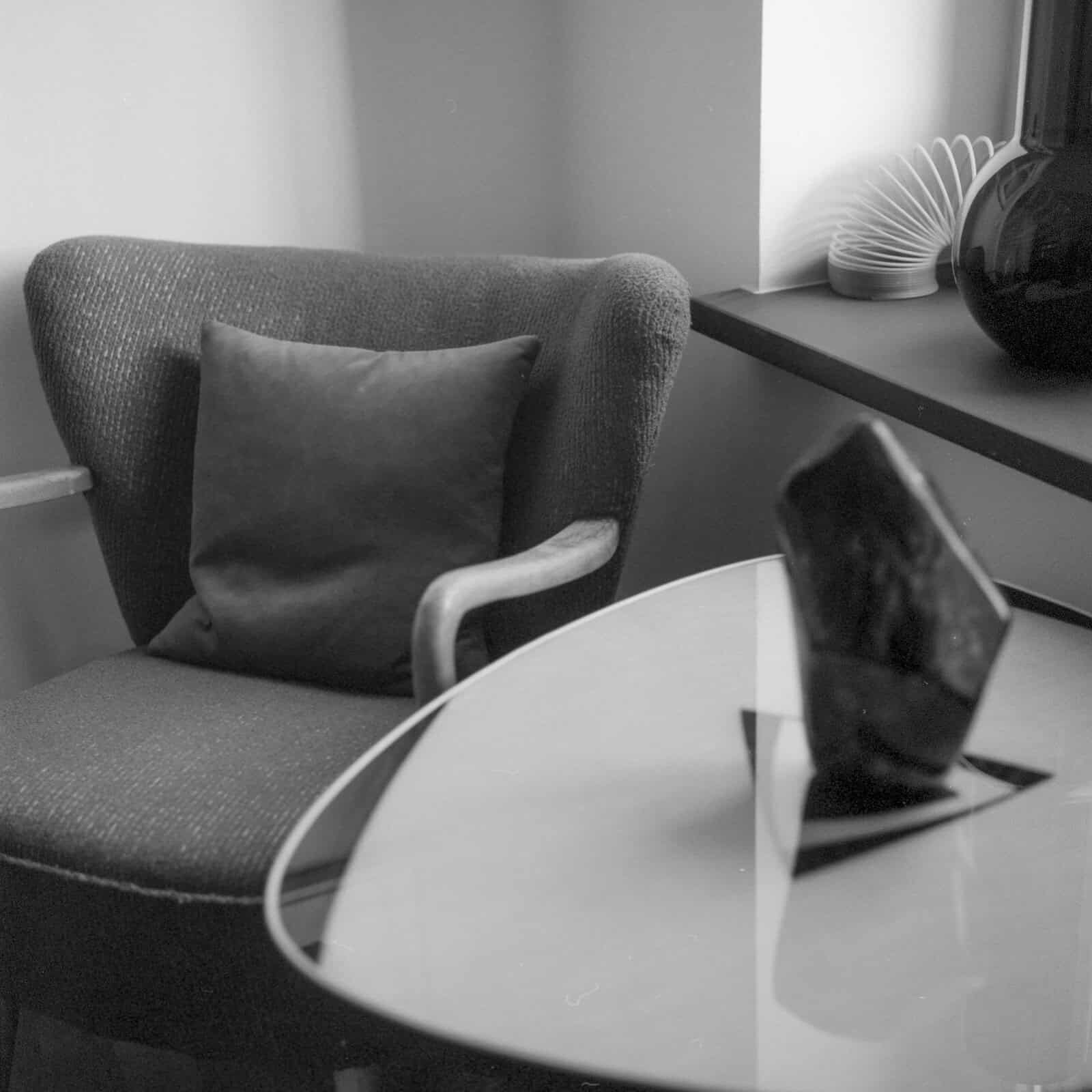
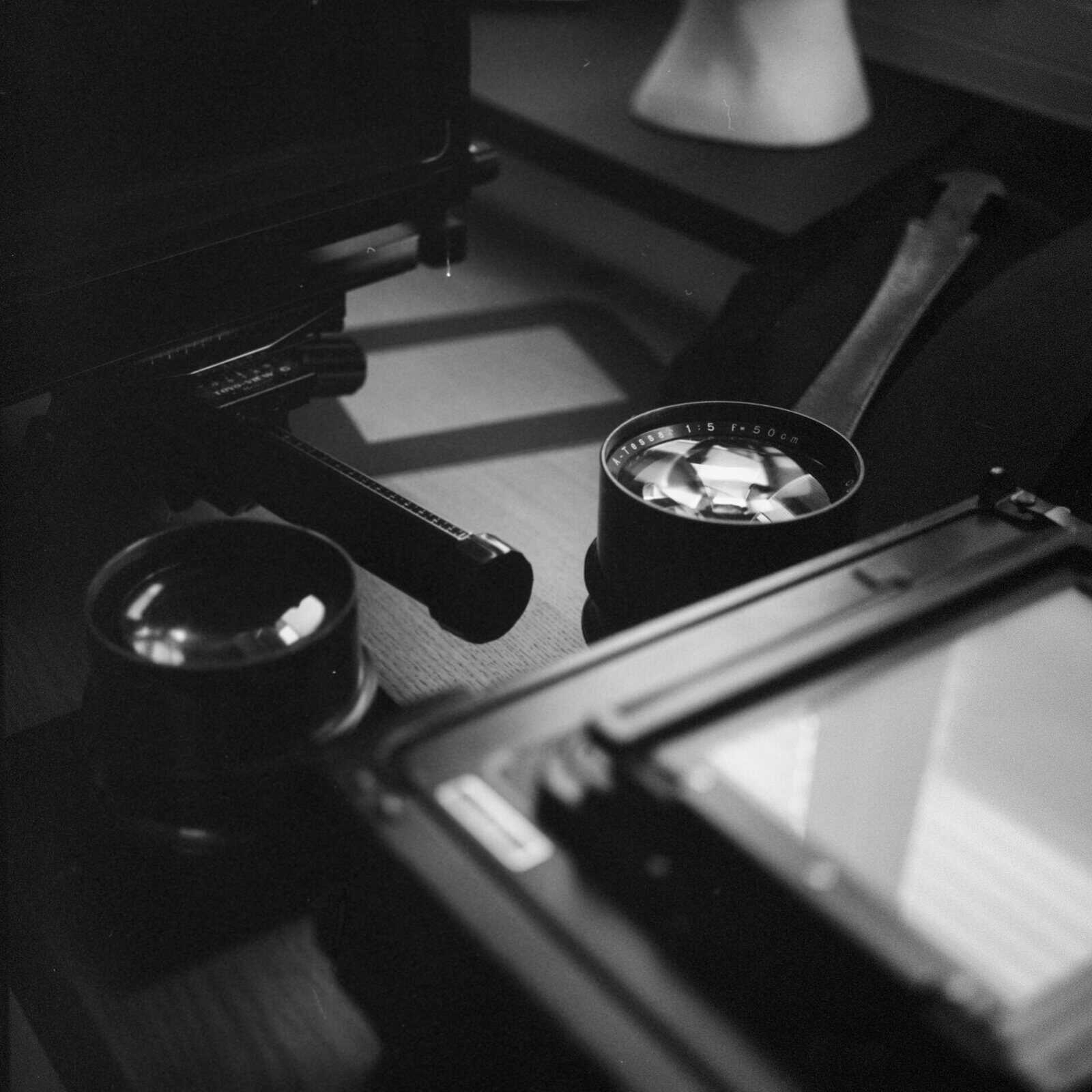
I was out shooting with my little 35mm Leica snapper and my Rolleiflex. I honestly considered not even posting the 35mm shots — because once you see the square frames the Rolleiflex produces, you start genuinely asking yourself: why do we even need other cameras? But yes, everything’s here for you to click through. The medium format was Ilford HP5 400, pushed to 1600 in Ilford DD-X 1+4. The 35mm was Kentmere 100.
Here on of the 1,80 meters long Panorama-Negs: http://www.kirschfoto.de/index.php?pfad=galerie/karneval
His Website: http://www.kirschfoto.de/
Leica: